
Art is the expression of human creativity through various mediums, most of which are visual. The applied arts are a subsection of arts that include both design and decoration alongside practical objects in order to make them aesthetically pleasing.
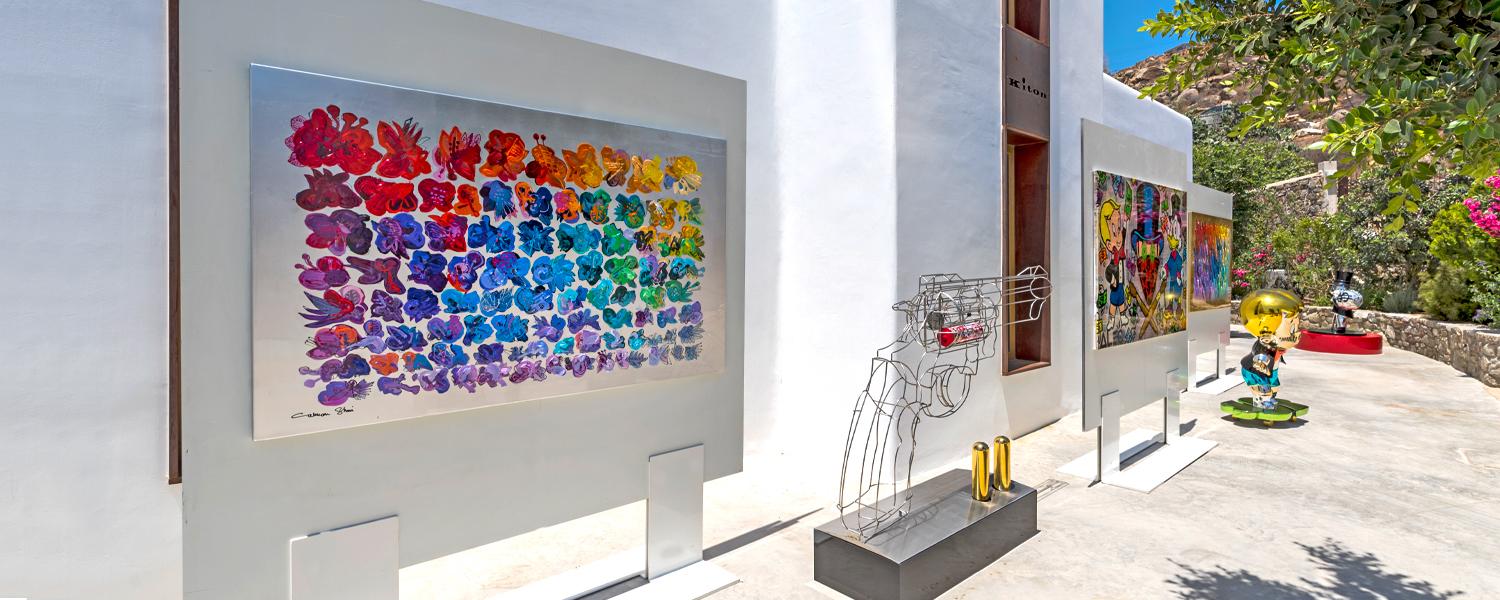
What is Applied Art?
Updated: March 17 2026
Key Takeaways: What Applied Art Means
Applied art refers to artistic design applied to functional objects such as furniture, architecture, fashion, or everyday products.
Unlike fine art, which is primarily created for aesthetic appreciation, applied art combines creativity with practical purpose.
Examples of applied art include interior design, industrial design, ceramics, and decorative arts used in daily life.
Many modern creators combine applied art techniques with fine art concepts, blending craftsmanship with artistic storytelling.
At EDEN, The House of Art, contemporary artists often draw inspiration from design and applied art traditions to expand how art interacts with everyday environments.
One of the criticisms of fine art is that it is not a particularly useful expression of human creativity. Yes, paintings are pretty to look at, and sculptures add personality to a room, but they serve no greater purpose beyond that. Instead, they are often viewed as decorative instruments.
However, while that criticism may be valid for some paintings and sketches, not all art can be generalized under this stereotype.
To learn more about art that has practical use, read on to explore the wonderful world of applied art.
Applied Art Definition
Applied art is defined as artistic design created for utilitarian objects in everyday use.
Works of fine art are often defined as high art because they serve no purpose other than providing aesthetic or intellectual stimulus to those who view them. They are designed primarily to increase the aesthetic appeal of a space.
In contrast to fine art, applied arts make functional objects more aesthetically pleasing. These objects are designed so that the results are both useful and visually enjoyable at the same time.
Because of this fusion between creativity and function, applied art embraces an enormous range of products and items—from doorknobs, tables, airports, and railway stations to concert halls, fountain pens, walking sticks, sirens, alarm clocks, and even computer mice. The applied arts overlap with decorative arts, and the modern form of applied art is now typically called design.
Why Are Crafts Called the Applied Arts?
Crafts are considered applied arts because they serve a function while also being aesthetically pleasing. For example, a decorative plate, rug, or metalwork piece is both a work of art and a practical object.

Applied Art Examples
-
Industrial design: Mass-produced objects created with aesthetic and functional considerations.
-
Sculpture: Can function as applied art when integrated into architectural or public spaces.
-
Architecture: Both functional and artistic in its design.
-
Crafts: Handmade functional objects that are also visually compelling.
-
Ceramic art: Ceramics used for tiles, tableware, and bathroom applications.
-
Automotive design: Designing cars to enhance both performance and visual appeal.
-
Fashion design: Creating clothing that is functional, comfortable, and aesthetically striking.
-
Calligraphy: Writing information in a visually refined and artistic manner.
-
Interior design: Planning and styling spaces to optimize function while enhancing beauty.
What Is the Purpose of Applied Arts?
Applied art aims to create products that provide their required function with efficiency while also offering a sense of beauty and thoughtful design. By contrast, fine arts primarily aim to create works that serve aesthetic or conceptual purposes alone.
What Is Considered an Applied Art?
Art that is created not only for aesthetic purposes but also with an interactive, design, or problem-solving goal is considered applied art. It serves a broader functional purpose beyond pure visual appreciation.
What Are the Types of Applied Arts?
Works of applied art generally fall into two main categories:
1. Standard machine-made products enhanced with thoughtful design to make them more attractive and easier to use.
2. Individually crafted, aesthetically pleasing but primarily functional products made by artisans or skilled workers that serve a defined purpose.
Artistic disciplines classified as applied arts include industrial design, fashion design, interior design, and graphic art and design (including computer graphics). Decorative arts such as furniture, carpets, tapestry, embroidery, batik, jewelry, precious metalwork, pottery, goldsmithing, basketry, mosaic art, and glassware also fall into this category. Illuminated manuscripts and book illustrations are considered applied arts as well. Architecture is often best viewed as an applied art, combining structural function with artistic vision.
RELATED ARTICLES
EDEN
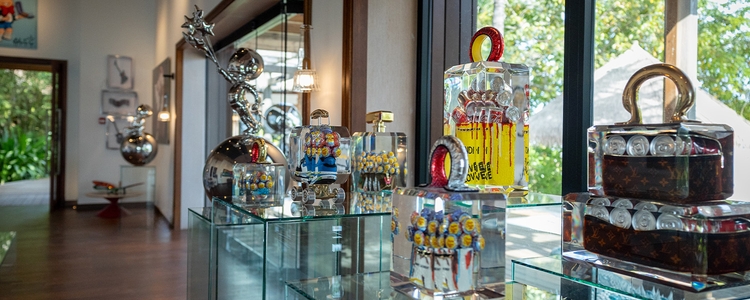
Updated: March 31, 2026Alchemy of the Ordinary: Transforming Everyday Objects into Masterpieces
Art has a remarkable ability to elevate the mundane, turning everyday objects into extraordinary expressions of creativity. Throughout history, artists have reimagined the ordinary, using it to challenge perceptions, inspire wonder, and reshape our ...
EDEN
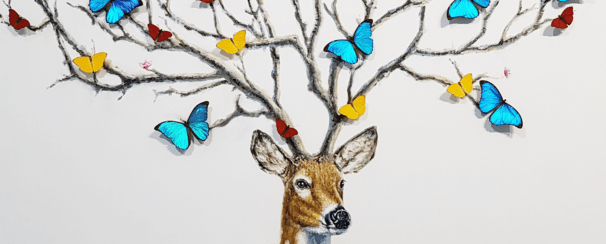
Updated: March 25, 2026What Is Drawing?
Drawing is one of the most commonly recognized forms of visual art. Drawings are created by an artist using instruments to create lines on paper or another two-dimensional surface.

EDEN
Updated: January 07, 2026Inside the Minds of EDEN Art Collectors
The Collectors Behind the Canvas offers an intimate look into the lives of EDEN collectors around the world. From Abu Dhabi to Dubai, discover how Dan and Nadia Feldman and Yann and Lana Biojau live surrounded by color, creativity, and meaning—revealing ...
Show more