
In the world of art, names like Alec Monopoly, David Kracov, and Calman Shemi resonate as representatives of fine art. But what exactly is fine art, and how has its definition changed over the centuries?
What is Fine Art? The Definition & Meaning
Updated: March 17 2026
Key Takeaways: What Defines Fine Art
Fine art refers to creative works produced primarily for aesthetic and intellectual appreciation rather than practical function.
Historically, the core fine arts included painting, sculpture, architecture, music, and poetry, with later expansions to photography, film, and other contemporary media.
Fine artworks are often unique or produced in limited editions, contributing to their rarity and value in galleries and private collections.
Many contemporary artists continue to redefine fine art by blending traditional techniques with new media and conceptual approaches.
EDEN House of Art presents fine art from a global collective of contemporary artists, connecting collectors with works that emphasize creativity, craftsmanship, and cultural expression.
Understanding Fine Art
Art, in its broadest sense, embodies the act of crafting something unique that tantalizes our visual or auditory senses. Fine art, often labeled as "high art," stands as the pinnacle of artistic expression, emphasizing aesthetics over functionality. This inherent aesthetic quality sets fine art apart from "low arts" which are crafted with a more utilitarian purpose in mind.
Yet, as the art world continues to evolve, the once-clear boundaries that defined what is "high" or "low" art blur. This prompts the question: should any art form be considered superior to another in today's democratized art landscape?

Defining Fine Art
-
Artistic Definition: Fine art represents a form of visual or auditory art relished solely for its aesthetic and intellectual depth.
-
Compliment to Craftsmanship: The term "fine art" can also applaud an artist's prowess, denoting a piece that showcases immense skill or mastery.
In both contexts, it's the artists, distinguished by their exceptional skills, who bring fine art to life.
Historical Context of Fine Art
Historically, particularly within European traditions, fine art was crafted primarily for its beauty, contrasting with commercial or decorative art forms which also had functional attributes. The term "fine art" was not just an indicator of skill, but also a reflection of societal hierarchies, distinguishing painters, sculptors, and architects from craftspeople in fields like weaving or ceramics.
In more recent times, however, this distinction has become less pronounced. Movements like Pop Art and Feminist Art exemplify this shift. Andy Warhol's iconic silkscreens, for instance, utilized commercial techniques but are celebrated as fine art. Similarly, feminist artists like Judy Chicago incorporated decorative art elements, such as ceramics, into their masterpieces
Audience and Rarity
Historically, fine art catered to a niche audience—often the affluent, educated upper echelons of society. The exclusivity of fine art, frequently produced as unique pieces or in limited batches, adds to its rarity, often driving up its value.
The Spectrum of Fine Arts
Initially, there were five core categories of fine art: paintings, architecture, sculptures, music, and poetry. This list has now expanded to encompass:
Painting
Architecture
Sculpture
Music
Poetry
Performing Arts (including theatre and dance)
Photography
Modern interpretations further include mediums like film, mixed media artworks, printmaking, design, sequential art, and conceptual art.
Iconic Fine Artists
The realm of fine art has been graced by numerous legends. Here's a short list:
Rembrandt
Henri Matisse
Vincent Van Gogh
Leonardo da Vinci
Pablo Picasso
Frida Kahlo
Jackson Pollock
Academic Pursuits in Fine Art
A degree in fine arts traditionally delves into classical forms such as painting, sculpting, music, literature, and dance. Such programs not only equip aspiring artists with the skills they need but also offer them the freedom to specialize in their preferred medium. Graduates might emerge as traditional fine artists or venture into the commercial art sector.
Celebrating Fine Art Today
Fine art, with its timeless appeal, continues to captivate audiences. Whether showcased in physical galleries, online platforms like EDEN gallery, or private collections, fine art remains a testament to human creativity and expression.
RELATED ARTICLES
EDEN
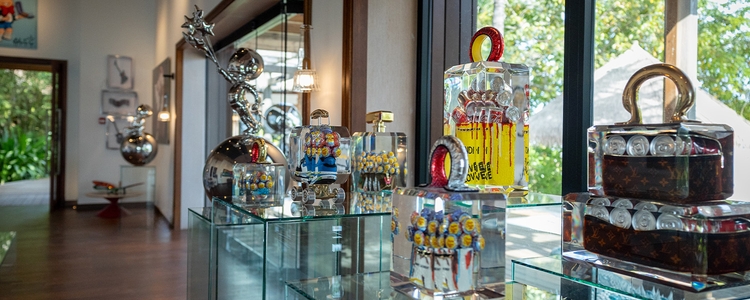
Updated: March 31, 2026Alchemy of the Ordinary: Transforming Everyday Objects into Masterpieces
Art has a remarkable ability to elevate the mundane, turning everyday objects into extraordinary expressions of creativity. Throughout history, artists have reimagined the ordinary, using it to challenge perceptions, inspire wonder, and reshape our ...
EDEN
Updated: March 25, 2026What Is Drawing?
Drawing is one of the most commonly recognized forms of visual art. Drawings are created by an artist using instruments to create lines on paper or another two-dimensional surface.

EDEN
Updated: June 03, 2026Alec Monopoly's Exhibitions
EDEN, The House of Art, presents a series of exclusive Art Nights with Alec Monopoly in Miami and New York. Showcasing his latest works, including the bold Flying to a Happy Place series, these immersive evenings bring together art, music, and atmosphere ...
Show more