
A guide to the main types of paper cutting art, from classic styles to modern papercuts pushing the boundaries of the medium.
Types of Paper Cutting Art
Updated: June 03 2026
Key Takeaways
Paper cutting is a centuries-old art form with global cultural roots
There are multiple distinct types of paper cutting art, each with unique techniques
Contemporary artists are redefining papercutting as fine art
The medium bridges 2D design and 3D spatial experience
EDEN Gallery showcases innovative papercut works that push the boundaries of the form
Introduction: A Delicate Art with Deep Roots
Paper cutting is one of the most intricate and poetic forms of artistic expression — where absence creates presence, and what is removed defines what remains. This practice dates back over a thousand years, originating shortly after the invention of paper in China. From there, it spread across continents, evolving into diverse cultural traditions and contemporary artistic languages.
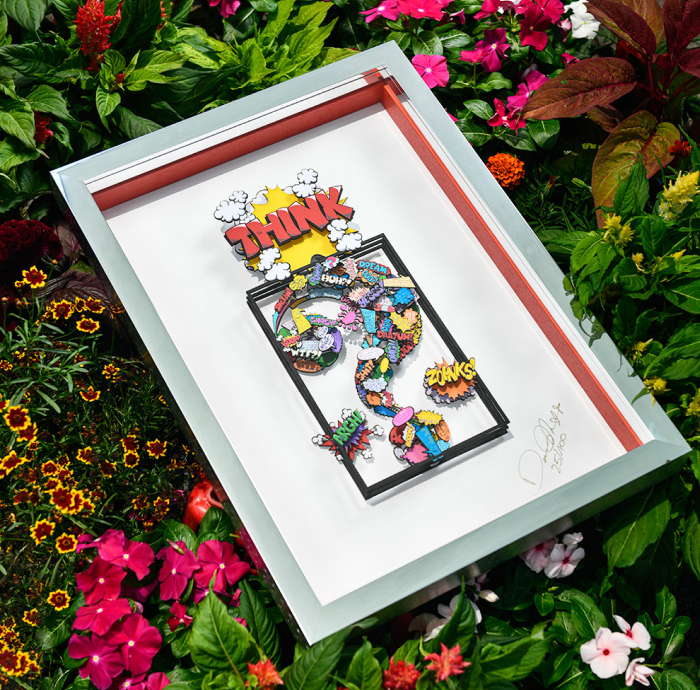
Today, paper cutting exists at the intersection of craft and fine art — ranging from traditional folk motifs to cutting-edge conceptual installations. At EDEN Gallery, we celebrate this evolution through a curated collection of papercut artworks that transform paper into sculptural, narrative-driven pieces.
Types of Paper Cutting
Below are the most prominent types of paper cutting art, each with its own techniques, cultural context, and visual language.
1. Silhouette Paper Cutting
Silhouette cutting is one of the most recognizable styles, typically featuring profiles or figures cut from black paper.
- Originated in Europe in the 18th century
- Focuses on strong contrast and minimalism
- Often used for portraits and storytelling
This style proves how powerful simplicity can be when executed with precision.
2. Chinese Paper Cutting (Jianzhi)
Known as Jianzhi, this ancient art form is deeply rooted in Chinese culture.
- Traditionally cut from red paper
- Features symbols of luck, prosperity, and celebration
- Often used in festivals and home decorations
It remains one of the oldest and most symbolic types of paper cutting.
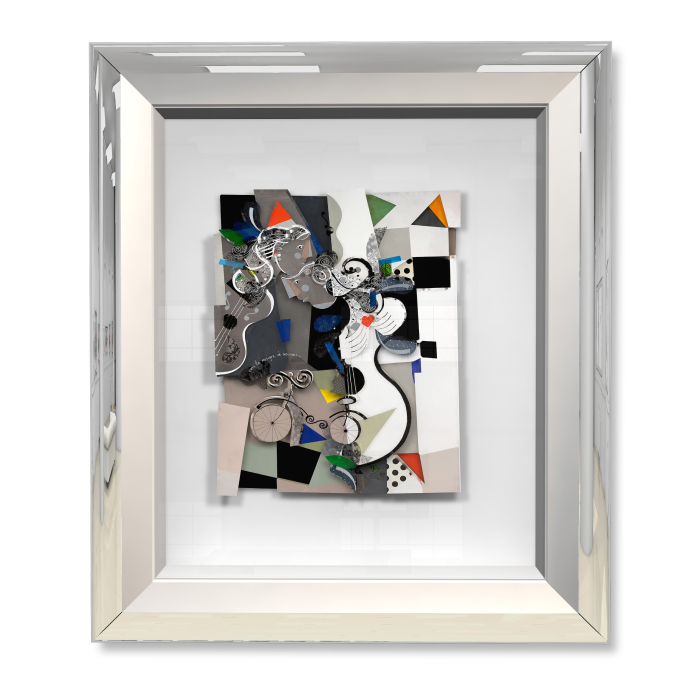
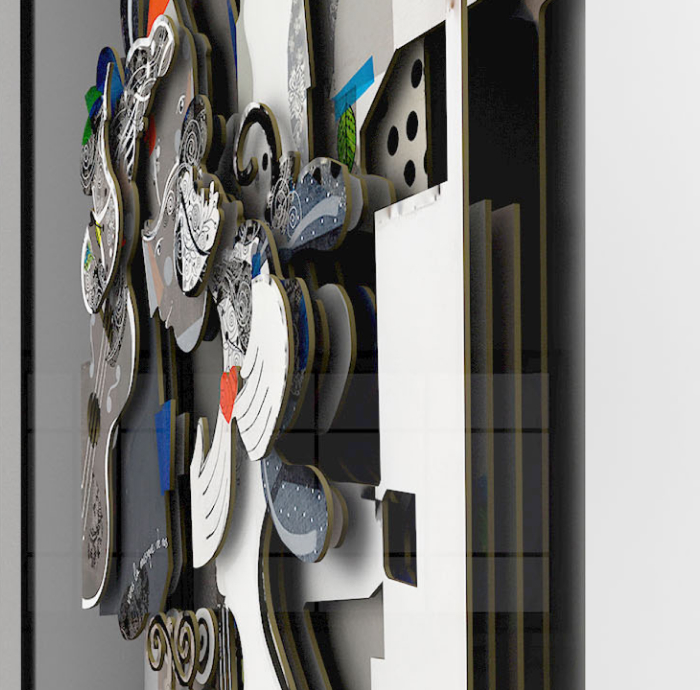
3. Layered Paper Cutting
Layered paper cutting introduces depth by stacking multiple sheets.
- Creates a sense of dimension and perspective
- Bridges the gap between 2D and 3D art
- Often framed in shadow boxes
This style transforms paper into immersive visual environments.
4. Kirigami
Kirigami is a Japanese variation that combines cutting and folding.
- Creates architectural and pop-up structures
- More sculptural than traditional flat cuts
- Often used in design and engineering-inspired art
It’s a dynamic evolution of paper cutting into spatial design.
5. Scherenschnitte
This German tradition translates to “scissor cuts.”
- Highly detailed and symmetrical
- Often depicts rural life, folklore, and nature
- Requires exceptional precision and patience
It reflects a storytelling tradition through ornamental design.
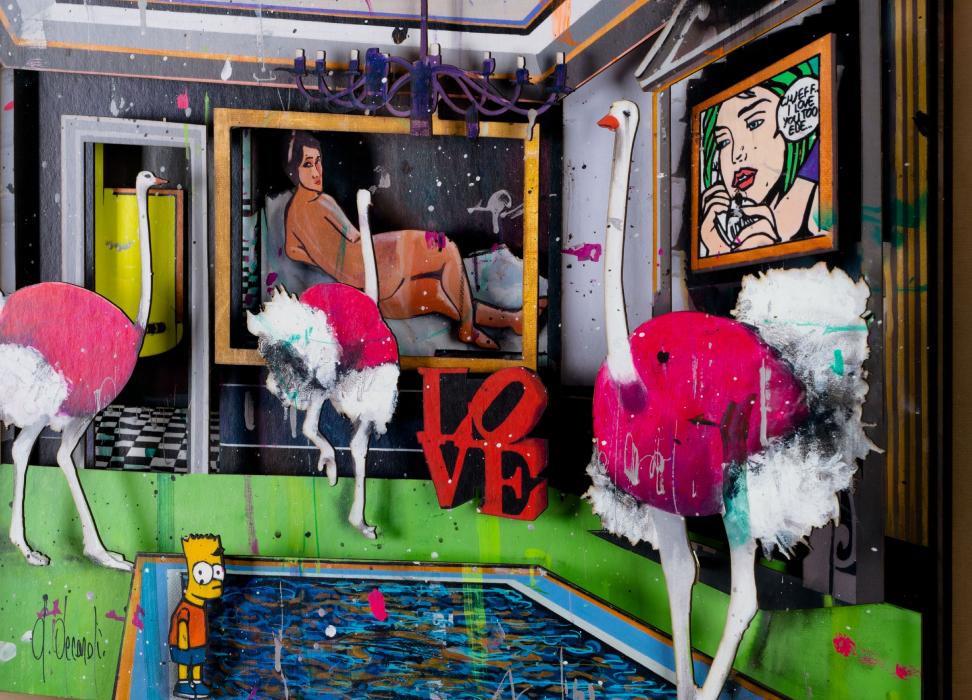
6. Contemporary Papercut Art
Modern artists have redefined paper cutting as a fine art medium .
- Incorporates conceptual themes and abstraction
- Uses unconventional materials and techniques
- Often overlaps with paper sculpting
At EDEN, contemporary papercuts push boundaries, transforming a fragile medium into bold artistic statements.
Paper cutting is far more than a decorative craft — it is a global artistic language that spans centuries, cultures, and disciplines. From traditional forms like Jianzhi and Scherenschnitte to contemporary layered compositions, each style offers a unique way of seeing, and cutting, into the world.
At EDEN, our curated papercut collection highlights how this medium continues to evolve, bridging heritage with innovation.
What is paper cut art called?
Paper cut art is generally referred to as papercutting. In specific cultural contexts, it may have different names—such as Jianzhi in China or Scherenschnitte in Germany.
What is the difference between papercutting and paper sculpting?
Papercutting focuses on removing material from a flat sheet, while paper sculpting builds form and volume—often creating three-dimensional works.
What are the different styles of paper cutting?
The main styles include silhouette cutting, Chinese Jianzhi, layered papercutting, kirigami, Scherenschnitte, and contemporary papercut art. Each varies in technique, cultural origin, and visual depth.
Is paper cutting considered fine art?
Yes. While it originated as a folk craft, contemporary artists have elevated papercutting into a recognized fine art form exhibited in galleries and museums.
What tools are used in paper cutting?
Artists typically use precision knives (like X-Acto blades), scissors, cutting mats, and sometimes laser tools for highly intricate designs.