
Refined, confidence-building guide for anyone beginning or evolving their journey as an art collector. It demystifies the process of collecting art, emphasizing personal connection over rules or trends, and offers practical insight into discovering your style, understanding different art types, buying responsibly, and living beautifully with art.
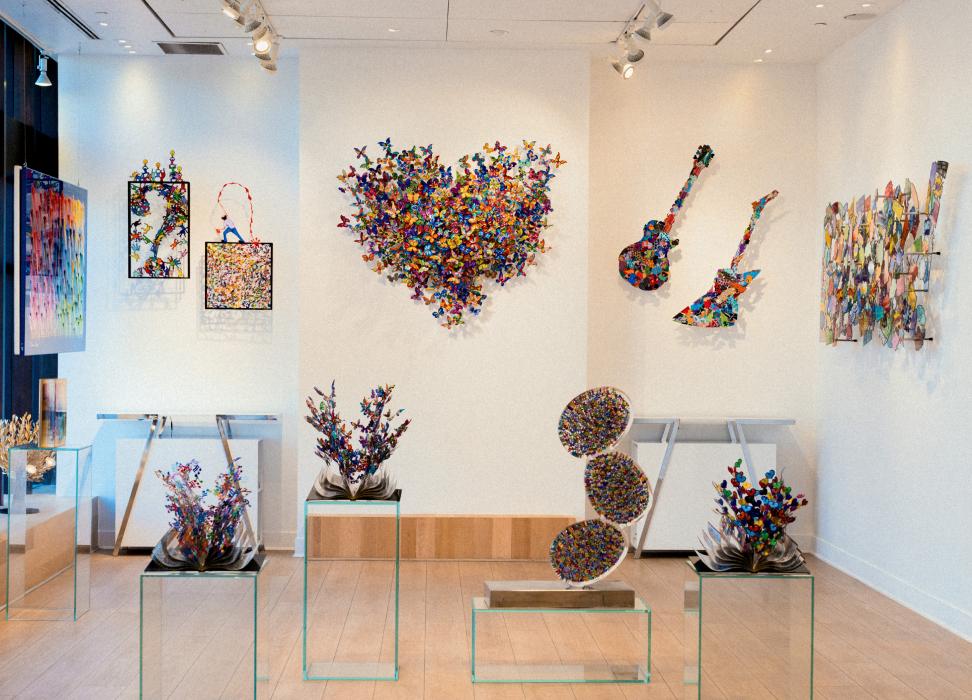
How to Curate an Art Collection
Updated: March 17 2026
Key Takeaways: How to Curate an Art Collection with Confidence
Curating an art collection begins with personal connection rather than rigid rules—the most meaningful collections grow from curiosity, emotion, and lived experience.
Discovering your taste takes time; visiting galleries, museums, and art fairs helps collectors recognize patterns in the styles, mediums, and themes that resonate with them.
Understanding the differences between original artworks, limited editions, prints, and fine-art photography helps collectors make informed decisions when acquiring art.
Strong collections evolve gradually, reflecting a collector’s growing perspective and exposure to contemporary artists and diverse mediums.
With nearly three decades of experience advising collectors, EDEN, The House of Art helps collectors discover original artworks and build meaningful collections through curated exhibitions and expert guidance.
Introduction: There Is No "Right" Way to Collect Art
A thoughtful guide to starting, building, and living with art you love
Starting an art collection can feel intimidating. Many first-time collectors worry about making the wrong choice, spending too much or not enough, or misunderstanding what makes art valuable. The truth is simpler and far more liberating. Art collecting is deeply personal, and there is no single right way to do it.
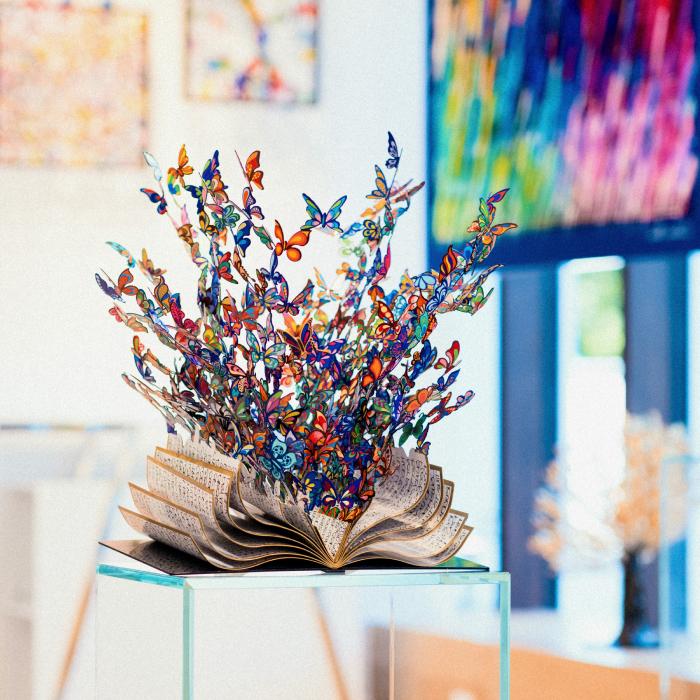
Meaningful collections exist at every budget level and across every style imaginable. Whether you are drawn to bold contemporary statements, quiet photography, mixed media, or sculpture, the most compelling collections are built on curiosity, emotion, and lived experience, not rules.
This guide is designed to help you understand how to curate an art collection with confidence. You will learn how to start an art collection, how to discover your style, where to buy art, and how to live beautifully with the pieces you choose.
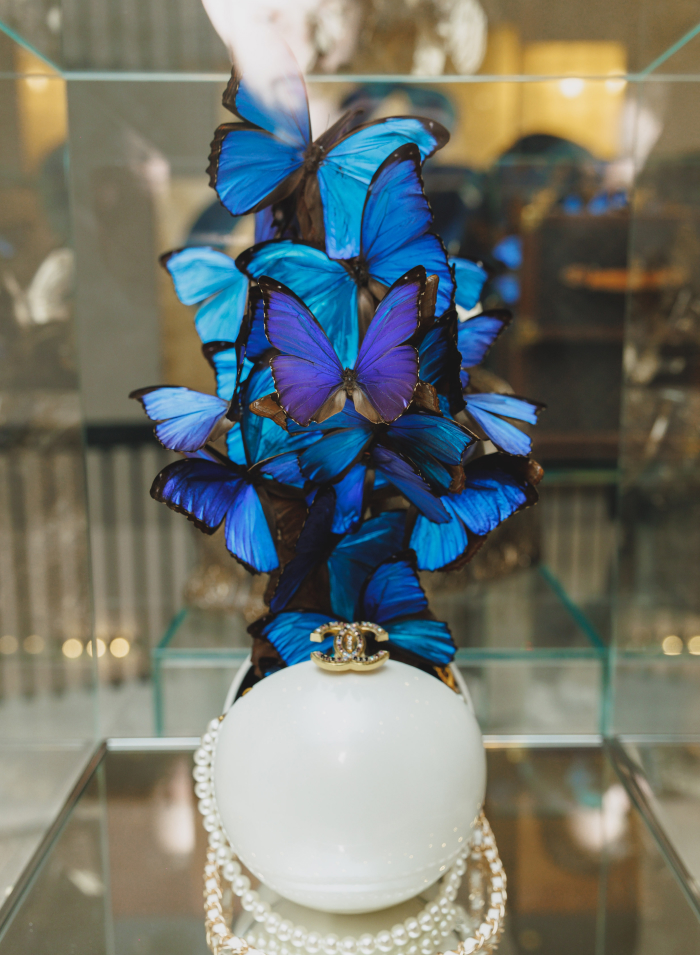
Finding Your Art Style
Before buying your first piece, spend time observing what truly resonates with you. Visit museums, walk through galleries, explore art fairs, and browse exhibitions without pressure to purchase.
Many collectors tell us they’re unsure what their “style” is at first, and that’s exactly how it should be. Based on our almost 30 years of experience, discovering your taste often begins by spending time with contemporary artists and viewing original artworks across different mediums. Over time, patterns naturally emerge as your eye becomes more confident.
Ask yourself:
Are you drawn to color or monochrome?
Do you prefer figurative or abstract works?
Does emotion, storytelling, texture, or craftsmanship matter most to you?
From decades of advising collectors, we’ve seen that the most reliable guide is not external opinion, but how an artwork makes you feel when you return to it again and again. Exploring contemporary artists and engaging directly with original artworks helps refine your instincts and build confidence. Your style is not fixed, it evolves naturally as your exposure grows.
Understanding Art Types and Investment Value
Understanding what you are buying is essential when building an art collection. Art typically falls into several categories:
Original artworks, one-of-a-kind pieces created entirely by the artist’s hand
Limited editions, produced in a restricted number and often signed and numbered
Prints, reproductions that vary widely in quality and value
Fine-art photography, usually editioned, with value tied to scarcity and reputation
Vintage or secondary-market works with established provenance
Collectors often ask us whether art should be approached as an investment. Our answer is always measured: while market awareness is important, it is essential to make sure it is original art, acquired through reputable galleries and verified sources.
From our experience, the strongest collections are built by prioritizing connection and authenticity over speculation. Ensuring the artwork is original art not only protects value but also preserves the integrity of the collection over time.
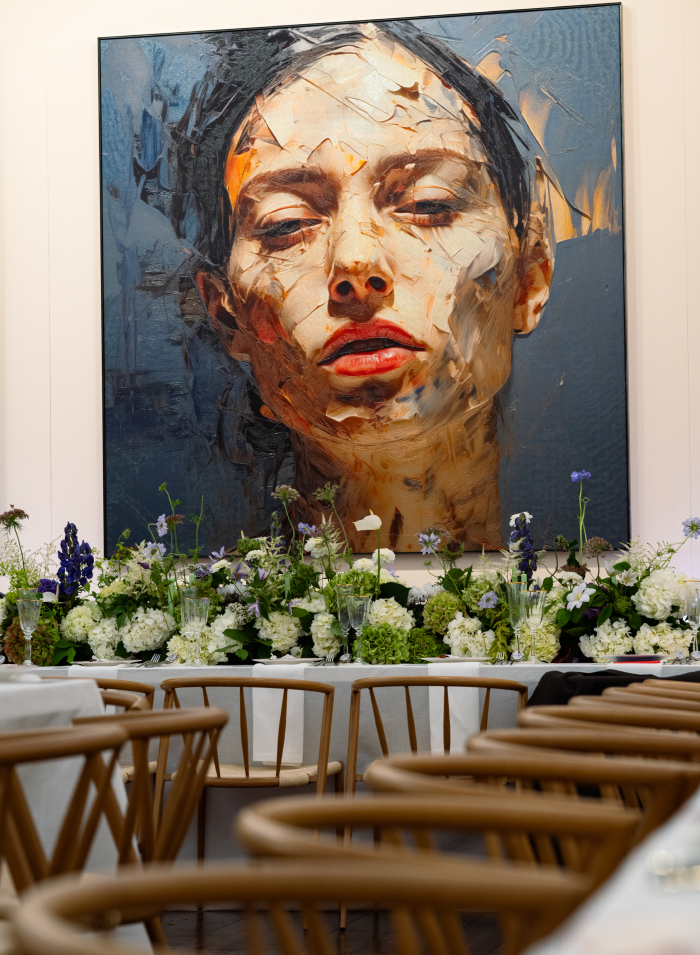
Where to Buy Art
Art can be discovered and purchased in many places, each offering a different experience.
In our work with collectors, galleries remain one of the most valuable entry points, offering context, education, and long-term relationships with artists. Art fairs, studios, and online platforms can all play a role, but guidance and transparency matter, especially early on.
Supporting living artists and emerging talent not only enriches your collection but also contributes to the contemporary art ecosystem. Exploring resources designed for the art collector and browsing curated categories such as original mixed media art, contemporary photography, papercut artworks, shadowbox art, and contemporary sculptures artworks can help you discover pieces aligned with your taste.
Setting Your Budget
Art collecting exists at every price point. Setting a budget helps eliminate anxiety and allows you to focus on discovery rather than comparison.
When planning, consider:
Artwork price
Framing and presentation
Shipping and handling
Insurance and long-term care
Many collectors begin with smaller works and scale up over time. Remember, a collection's value is not measured by cost alone but by the meaning it holds.
How to Hang Your Art
Displaying art thoughtfully elevates both the artwork and your space. Proper placement helps pieces feel intentional rather than incidental.
Where should I search for my first piece of art?
Galleries, curated online collections, art fairs, and direct connections with contemporary artists are all excellent starting points.
How do I discover what art style is right for my collection?
Notice patterns in what attracts you emotionally, visually, and intuitively across different artworks and mediums.
How do I start an art collection?
Begin by exploring art widely through galleries, museums, and fairs, then buy the first piece that truly resonates with you.