
Becoming an art collector is a journey that involves passion, knowledge, and strategic investment. An art collector is someone who seeks out and acquires artworks, either for personal enjoyment or as a means of investment. They often work closely with museums and galleries to source and purchase pieces that hold cultural and financial value.
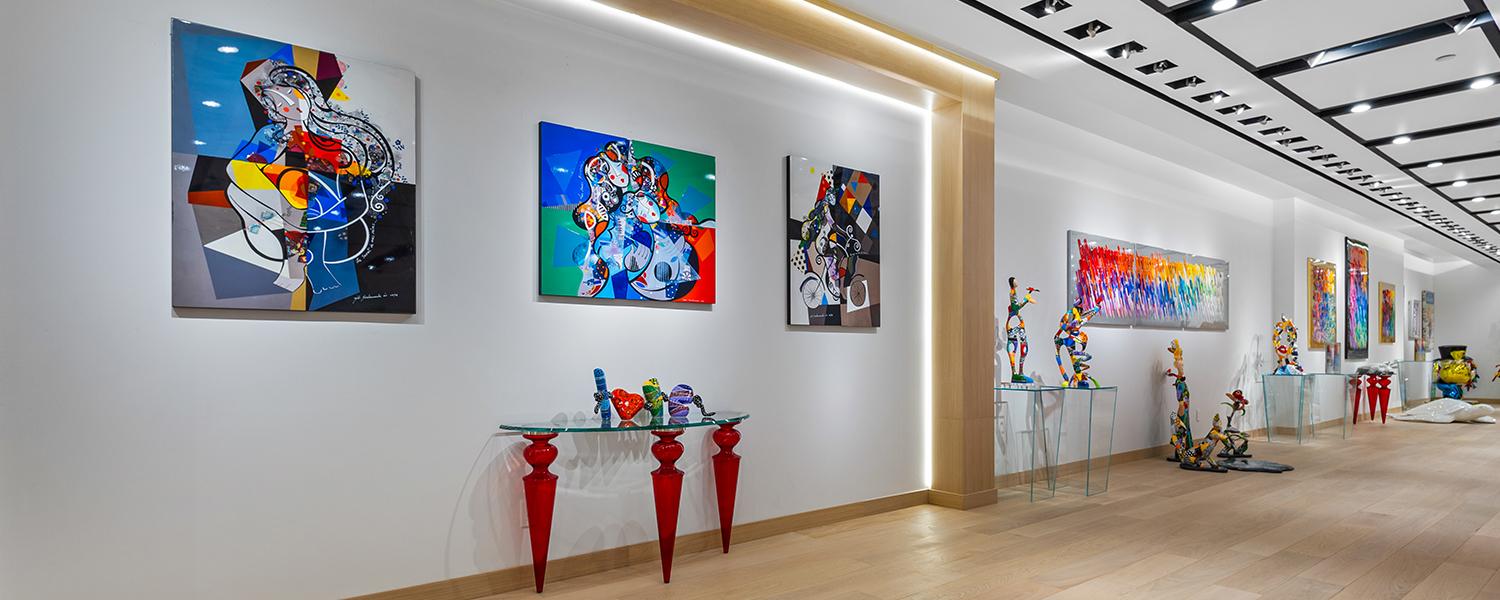
What is an Art Collector, and How Do You Become One?
Updated: January 07 2026
What is an Art Collector?
An art collector is an individual or entity that actively seeks out and purchases art. Collectors may focus on many types of art—from contemporary to classical—and often develop specific themes, genres, or artists they prefer. Beyond personal passion, collectors play a crucial role in the art market, influencing trends and supporting the careers of artists.

The Role of an Art Collector
Art collectors are pivotal in the art world. They not only acquire artworks but also preserve, promote, and sometimes share them with the public. Collections may remain private or be loaned to museums and institutions for exhibitions, allowing more people to experience the works.
Some collectors focus on a particular period, artist, or style, while others build more eclectic collections. Many begin their journey by visiting galleries, attending auctions, and networking with other collectors and professionals. Over time, they develop a deeper understanding of quality, value, and potential appreciation.
A significant aspect of collecting is understanding the value and potential of each piece—artist reputation, rarity, provenance, and condition all play a role. This knowledge allows collectors to make informed decisions that can turn a passion for art into a meaningful long-term investment.
Why Art Collecting Matters
Art collecting is not just about acquiring beautiful objects; it is about preserving culture, ideas, and history. Collectors help sustain artists’ careers, support galleries, and ensure that important works reach a broader audience.
By investing in art, collectors contribute to the cultural dialogue and help shape the future of art. Each acquisition becomes part of a larger story—one that connects artists, institutions, and audiences across time and place.
How to Become an Art Collector
Starting your journey as an art collector involves several steps, from educating yourself about the art world to making your first purchase. These stages will help you begin with confidence and clarity.
Educate Yourself
Understanding art is the first step. Learn about different art movements, styles, and mediums. Read books, attend lectures, and visit museums to build a solid foundation. Explore movements like Impressionism, Modernism, and Contemporary Art—each with its own language, aesthetics, and iconic artists.
Online courses and museum programs can deepen your knowledge. Many institutions and platforms offer accessible introductions to art history, theory, and collecting.
Define Your Interests
Identify what resonates with you. Are you drawn to contemporary works, classical paintings, photography, or sculpture? Knowing your preferences will guide your collecting strategy and help you build a cohesive collection over time.
Set a Budget
Determine how much you are comfortable investing in art. Prices range from accessible prints to museum-quality masterpieces. A clear budget keeps your decisions focused and realistic, especially when you account for insurance, framing, and installation.
Start Small
Beginning with smaller works—limited editions, drawings, or pieces by emerging artists—is often a wise approach. It allows you to learn, refine your taste, and understand the market without large financial risk.
Network
Join art communities, attend openings, and connect with other collectors, gallery owners, and artists. These relationships provide valuable insights, recommendations, and opportunities to discover works you might not encounter otherwise.
Visit Galleries and Art Fairs
Seeing art in person is invaluable. Galleries, art fairs, and exhibitions give you the chance to experience scale, texture, and presence in ways online images cannot replicate. They also offer opportunities to talk directly with gallerists and curators.
Research Artists
Before acquiring a piece, research the artist’s background, exhibition history, and critical reception. This context helps you understand both the artistic and potential market value of the work.
Consult Experts
Art advisors, consultants, and knowledgeable gallery staff can help you navigate the art world, avoid common pitfalls, and refine your strategy based on your goals, taste, and budget.
Buy What You Love
While investment potential matters, the most meaningful collections are built on passion. Choose works that move you, that you want to live with, and that continue to reward your attention over time.
Consider Online Platforms
Online galleries and marketplaces make it easier than ever to discover and acquire art from around the world. Always buy from reputable platforms, and look for clear information about authenticity, condition, and return policies.
Where to Buy Art
Knowing where to buy art—both online and offline—is essential for building a diverse and meaningful collection. Here are some of the most important places to explore:
Galleries
Local and international galleries offer curated selections of artworks and provide valuable context about the artists they represent. Visiting galleries lets you see works in person and discuss them with knowledgeable staff. Building relationships with galleries can open doors to previews, special events, and early access to new works.
Art Fairs
Art fairs bring together galleries, artists, and collectors under one roof. They are ideal for discovering new voices, comparing styles and prices, and getting a panoramic view of the current art landscape. Many fairs also host talks and special programs that deepen your understanding of the market.
Auctions
Auctions can be an exciting way to acquire art, from contemporary works to historical masterpieces. Research the auction house, the artwork, and past sales results before bidding, and always set a clear maximum bid. Auction previews—online or in person—allow you to inspect works and ask questions about provenance and condition.
Online Marketplaces
Digital platforms and online galleries offer access to a global selection of artworks. They often include detailed descriptions, biographies, and price transparency. Always verify authenticity and check for clear documentation and secure payment methods when purchasing online.

Up-and-Coming Artists
Investing in up-and-coming artists can be both exciting and rewarding. These artists often bring fresh perspectives and innovative techniques that reflect the current moment in culture and society.
Emerging artists are often more accessible in price, offering opportunities to acquire significant works early in their careers. Look for artists with a growing exhibition record, critical recognition, and a clear artistic voice. Supporting emerging talent not only enriches your collection but also directly contributes to the development of the contemporary art landscape.
What Do Art Collectors Do?
Art collectors actively engage with the art world: they visit exhibitions, attend openings, participate in fairs, bid at auctions, and follow artists’ careers. Much of their time is spent researching—learning about movements, artists, and markets to make informed decisions.
Networking is also central to collecting. Many collectors join art societies, travel to international fairs, and build relationships with galleries and institutions to stay close to new opportunities and discoveries.
What Do Art Collectors Look For?
When acquiring art, collectors typically consider several key factors: the artist’s reputation and trajectory, the work’s provenance (ownership and exhibition history), condition, rarity, and originality.
They look for pieces that are not only strong aesthetically, but that also feel authentic and aligned with their collection. Emotional resonance remains central—most collectors ultimately seek works that move them and feel significant over time.
How to Find Art
Finding art that suits your collection is an ongoing process of exploration and curiosity. Here are some key ways to discover new works:
-
Visit galleries: Regular visits help you discover new artists, understand scale and materials, and build relationships with gallerists.
-
Attend art fairs: Fairs present a broad snapshot of the contemporary art scene in a single setting.
-
Explore online marketplaces: Platforms and online galleries offer extensive catalogs and global reach.
-
Follow auctions: Auction house catalogs and online sales are helpful for understanding pricing and demand.
-
Network with collectors: Join art clubs, forums, and social media groups to connect with other collectors and share recommendations.
-
Consult art advisors: Professionals can introduce you to artists, galleries, and works aligned with your vision and budget.
Becoming an art collector is a fulfilling journey that combines passion, knowledge, and long-term vision. By educating yourself, defining your interests, and exploring the many avenues for discovering and acquiring art, you can build a collection that is both personally meaningful and culturally significant.
Art collecting is ultimately about connection—to artists, ideas, and the times we live in. Start where you are, follow your curiosity, and let your collection grow alongside your understanding of the art you love.
Start your journey today and explore the diverse offerings at EDEN Gallery. Discover how art is a good investment and immerse yourself in the vibrant world of art collecting.
If you're ready to begin, visit our fine art investment page and take the first step toward becoming an art collector. Remember, the key to successful art collecting is to buy what you love and stay informed about the market. Happy collecting!
RELATED ARTICLES
EDEN
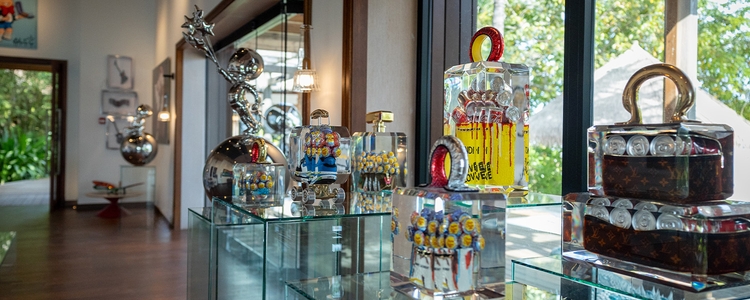
Updated: March 31, 2026Alchemy of the Ordinary: Transforming Everyday Objects into Masterpieces
Art has a remarkable ability to elevate the mundane, turning everyday objects into extraordinary expressions of creativity. Throughout history, artists have reimagined the ordinary, using it to challenge perceptions, inspire wonder, and reshape our ...
EDEN
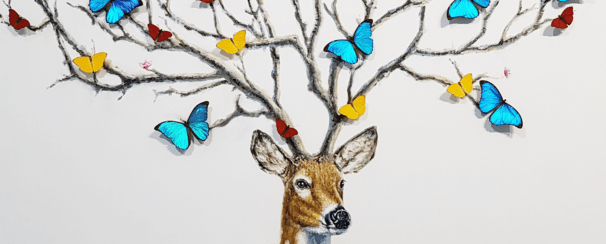
Updated: March 25, 2026What Is Drawing?
Drawing is one of the most commonly recognized forms of visual art. Drawings are created by an artist using instruments to create lines on paper or another two-dimensional surface.
EDEN
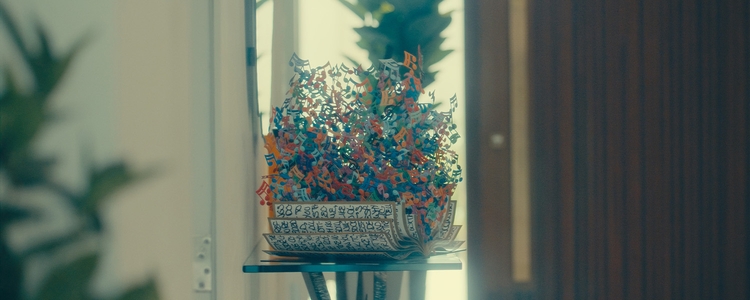
Updated: January 07, 2026Inside the Minds of EDEN Art Collectors
The Collectors Behind the Canvas offers an intimate look into the lives of EDEN collectors around the world. From Abu Dhabi to Dubai, discover how Dan and Nadia Feldman and Yann and Lana Biojau live surrounded by color, creativity, and meaning—revealing ...
Show more