
The difference between illustration and fine art is sometimes difficult to ascertain, despite them being two quite different concepts. The line separating these two types of art is often undefined, sometimes even a blur.
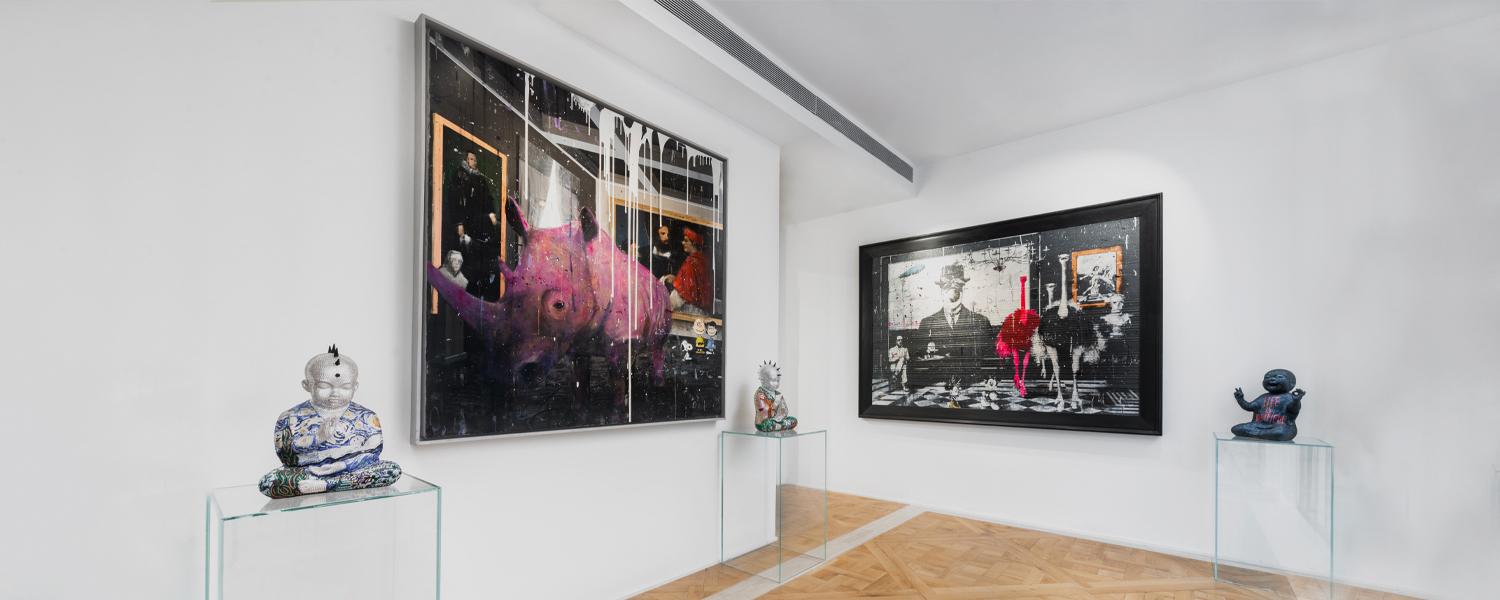
Fine Art vs Illustration
Updated: February 15 2026
Since both are branches of art, many people assume fine art and illustration are the same. This is, of course, not entirely accurate. So how do we distinguish between the two? Let’s explore the subtle yet important differences between fine art and illustration.
Fine Art Definition
Fine art is created by an artist primarily for aesthetic and expressive purposes. It exists for contemplation, appreciation, and cultural value rather than for practical use. Fine art—sometimes referred to as “high art”—is typically exhibited in art galleries and museums, or held in private collections.
When a fine artwork is created, it is usually intended to be a singular, original piece. While limited prints may be produced, the original holds the highest value. Fine art often carries exclusivity—only one collector can own the original piece. Fine art drawings, paintings, and sculptures all fall into this category.
Illustration Definition
Illustration, while also creative and aesthetically compelling, is typically created with reproduction and communication in mind. Illustrations are often commissioned for commercial use and are intended to be printed or distributed widely.
Before photography became mainstream, illustration was the dominant medium for advertising, book covers, posters, magazines, and newspapers. Comic strips, fashion sketches, propaganda posters, and product labels are all examples of illustration.
Unlike fine art, which is often exclusive, illustrations are designed for broad distribution. They are created to communicate a message, support text, promote a product, or visually explain an idea.

Differences Between Fine Art and Illustration
Although fine art and illustration may share similar techniques, skills, and mediums, their intent and distribution often differ. Key distinctions include:
- Price: Fine art typically carries a higher perceived value due to its originality and exclusivity.
- Quantity: Fine art is usually one-of-a-kind; illustrations are often reproduced in large quantities.
- Purpose: Fine art exists for expression and aesthetic experience, while illustration serves a communicative or commercial function.
- Audience: Fine art can be exclusive; illustration is widely accessible and democratic.
- Attribution: Fine art is strongly associated with the individual artist, while illustrations may be commissioned and owned by brands or companies.
Is Illustration Part of Fine Art?
The debate continues. Some argue illustration deserves recognition as fine art, especially when the craftsmanship and originality are exceptional. Others maintain that the defining factor lies in intent and reproduction.
In many historical movements—such as Art Deco and Art Nouveau—illustrators borrowed heavily from fine art traditions. The distinction often comes down to how the work generates value: fine art is typically sold as a single original, while illustrations are reproduced and monetized across multiple formats.
Are Illustrators Fine Artists?
In terms of skill and creativity, there is no inherent difference between fine artists and illustrators. The distinction lies more in context and purpose than in artistic ability.
Many celebrated artists—including Andy Warhol and Roy Lichtenstein—worked in both commercial illustration and fine art. The boundaries between the two disciplines are often fluid.
What Makes Art an Illustration?
Illustration typically aims to clarify, explain, or support a concept. While fine art expresses the artist’s personal vision, illustration often serves to visualize an idea for a broader purpose—whether editorial, commercial, or educational.
Conclusion
Both fine art and illustration are valid, powerful forms of creative expression. While their intentions and distribution may differ, each plays a vital role in shaping culture and visual communication. To explore original fine artworks, visit an Eden Gallery location or browse our online art gallery.
RELATED ARTICLES

EDEN
Updated: June 23, 2025Eden Gallery's Silver Anniversary Celebrations: A Week-long Art Extravaganza in NYC
Eden Gallery, a global powerhouse in the world of fine arts, celebrated its Silver Anniversary with a five-day-long event that transformed its New York City locations into spectacular art arenas. Hosting a diverse range of visionaries from the ...
EDEN
Updated: May 08, 2023Exploring Femininity and Gender in Art
Art has always been a medium for exploring complex topics such as gender identity and societal expectations based on our gender. Two artists who have found unique ways to challenge these preconceptions are Yoel Benharrouche and Dorit Levinstein. Through ...
EDEN
Updated: May 08, 2023The Art of Color: An Exploration of Yoel Benharrouche's Use of Color in His Art
The Art of Transcendence
Show more