
Art has always been a medium that transcends boundaries, evoking emotions, memories, and even physical sensations. While much of art appreciation focuses on visual impact, there's a growing recognition of texture as a central element in creating deeper, more immersive experiences. Textured artworks invite viewers to imagine the sensation of touch, bridging the gap between sight and physical interaction.
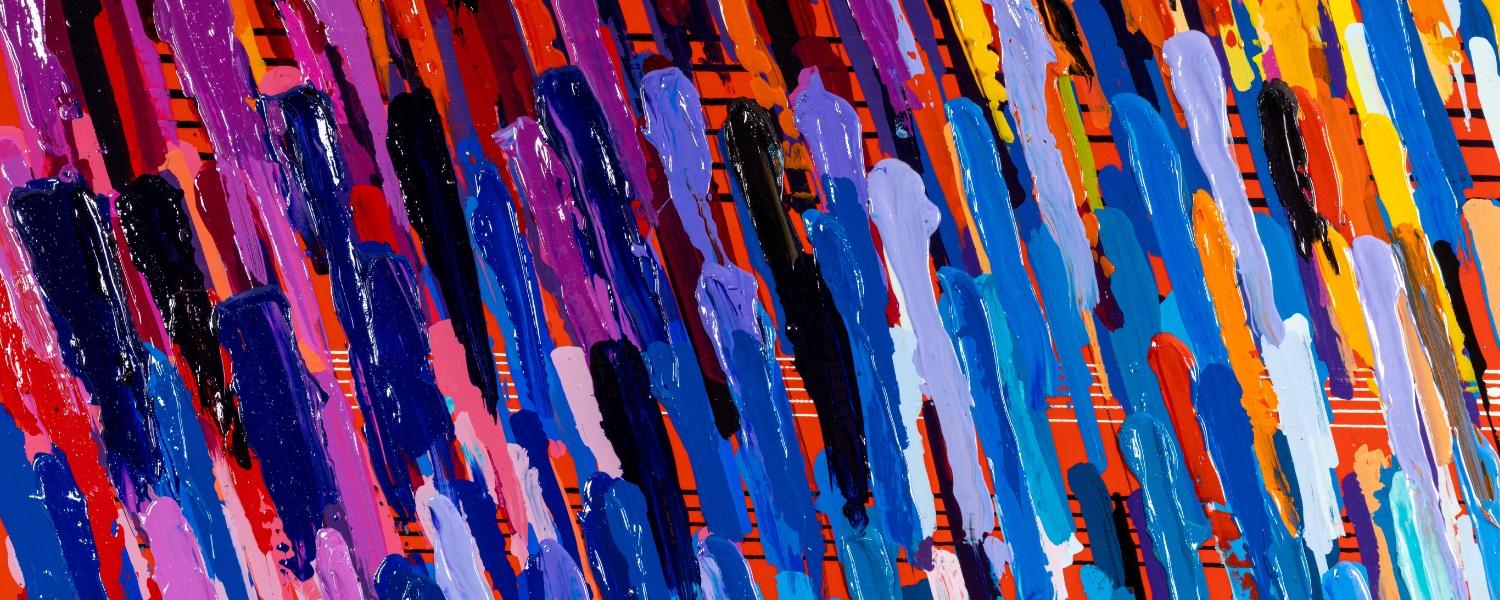
Symphony of Texture: When You Can Almost Feel the Art
Updated: December 19 2024

The Power of Texture in Art
Texture in art serves multiple purposes—it adds dimension, depth, and dynamism, transforming flat surfaces into layered stories. Whether it's the rough, cracked paint of a distressed canvas, the soft folds of a sculptural fabric, or the smooth gleam of polished metal, texture appeals to our sense of touch, even if we never physically connect with the artwork. This tactile illusion sparks curiosity and invites engagement, creating a sensory dialogue between the viewer and the piece.

Historically, artists like Van Gogh used texture to communicate emotion and movement. The thick, expressive brushstrokes of his paintings, for example, make his landscapes seem alive and full of energy. In contemporary art, this tactile quality has evolved further, as many artists deliberately create works that not only look textured but also feel interactive, offering a new dimension of engagement.

Modern Artists Redefining Texture
In today's art world, many artists have embraced the tactile potential of their medium, transforming visual art into a sensory playground.
Calman Shemi, for instance, uses thick smears of paint in his Notes series to mimic the dynamic flow of music, turning each piece into a symphony of textures. His inventive techniques, such as soft painting and lacquer painting, add physicality to his work, making them almost irresistible to touch.

Eddy Maniez takes texture to new heights with his tactile sculptures. By combining silicone spikes and Swarovski crystals, Maniez's works are visually and texturally intriguing, pushing viewers to imagine their feel. His art exemplifies a growing trend where the surface becomes a canvas for interaction, not just observation.

The Universal Appeal of Textured Art
Texture is not limited to paint and sculpture; it is a universal tool. Textile art, for example, invites touch with its woven layers, while installations often encourage viewers to walk through or around textured elements. Digital artists are also exploring texture through virtual reality, creating immersive experiences where users can "feel" the art in a simulated environment.

Art with rich textures does more than captivate the eyes—it connects us to the piece on a visceral level. This sensory engagement reminds us that art is not just a visual experience; it is an invitation to explore, imagine, and feel. Whether through thick layers of paint, tactile sculptures, or digitally rendered textures, the allure of texture expands how we perceive and interact with the artistic world.
RELATED ARTICLES
EDEN
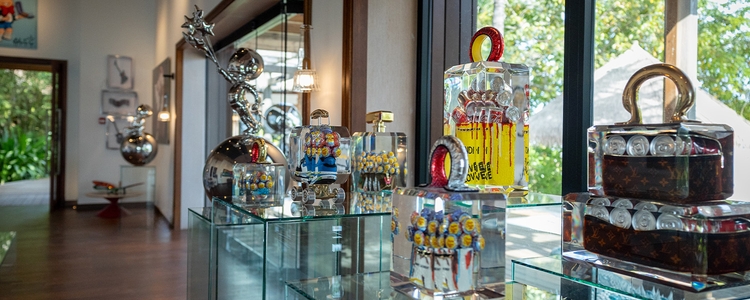
Updated: March 31, 2026Alchemy of the Ordinary: Transforming Everyday Objects into Masterpieces
Art has a remarkable ability to elevate the mundane, turning everyday objects into extraordinary expressions of creativity. Throughout history, artists have reimagined the ordinary, using it to challenge perceptions, inspire wonder, and reshape our ...
EDEN
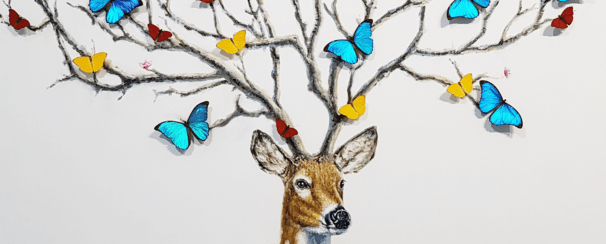
Updated: March 25, 2026What Is Drawing?
Drawing is one of the most commonly recognized forms of visual art. Drawings are created by an artist using instruments to create lines on paper or another two-dimensional surface.
EDEN
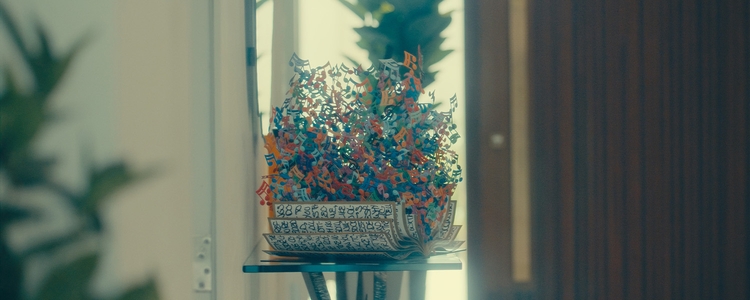
Updated: January 07, 2026Inside the Minds of EDEN Art Collectors
The Collectors Behind the Canvas offers an intimate look into the lives of EDEN collectors around the world. From Abu Dhabi to Dubai, discover how Dan and Nadia Feldman and Yann and Lana Biojau live surrounded by color, creativity, and meaning—revealing ...
Show more