
The Renaissance, an epoch of significant cultural revitalization, unfolded in Europe during the 14th century. This age signified a dynamic shift from the Middle Ages to the modern era, birthing a renewed fascination for classical ideals, individualism, realism, and humanism. Renaissance art, a vital component of this era, marked a transformative point in the historical trajectory of artistic expression.
Legacy of Renaissance Art: A Dawn of New Perspectives
Updated: August 12 2024

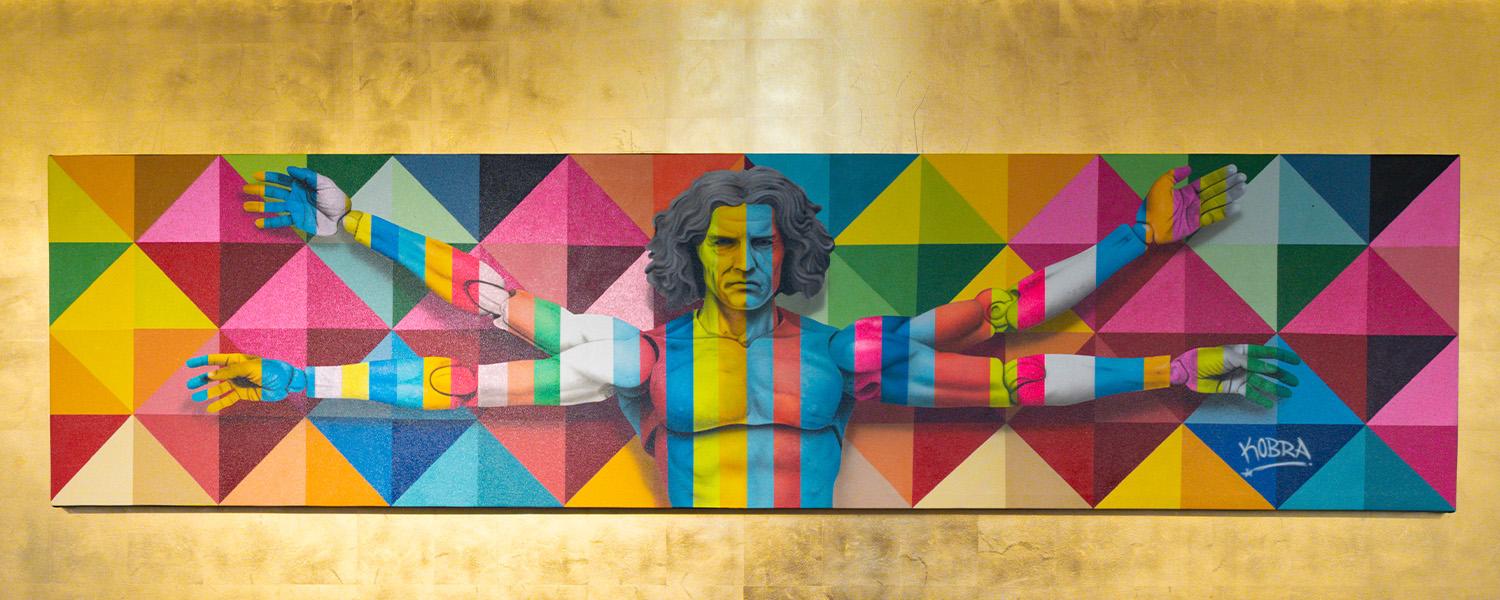
Artists of the Renaissance, including Leonardo da Vinci, Michelangelo, and Raphael, championed this revolutionary shift. Their masterpieces, like the Mona Lisa, the Sistine Chapel ceiling, and the School of Athens, respectively, heralded the era's innovative spirit. They meticulously represented human anatomy, employed perspective, and manipulated light and shadow in ways never seen before.

Unlike their medieval predecessors, these artists did not restrict themselves to religious themes. Instead, they courageously embraced secular subjects and drew inspiration from ancient Greco-Roman mythology. This significant diversification of themes represented an epochal shift in artistic focus, illustrating the increasing interest in human experiences and emotions.

The techniques and ideals of Renaissance art laid a robust foundation for the development of Western art. Its innovative use of perspective, detailed representation of the human body, and diversified thematic scope were groundbreaking, setting new artistic standards. These advances challenged the prevalent norms, expanding the realm of what was deemed art and steering the course of art history.

Moreover, Renaissance art played a critical role in bridging the ancient and modern worlds. The artists' homage to classical ideals and their simultaneous pursuit of innovation echoed the broader cultural patterns of the period. The movement's profound influence is still visible today, illustrating its enduring relevance.
In essence, Renaissance art was not merely a phase in the annals of art history; it was a radical movement that redefined art's parameters. Its legacy remains evident in our perception of art, emphasizing the value of individual creativity and realism. This period served as the crucible for modern artistic expressions, setting the stage for the evolution of art in the centuries that followed.
RELATED ARTICLES
EDEN
Updated: March 31, 2026Alchemy of the Ordinary: Transforming Everyday Objects into Masterpieces
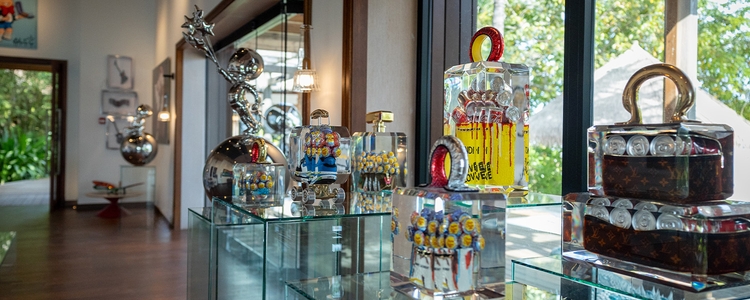
Art has a remarkable ability to elevate the mundane, turning everyday objects into extraordinary expressions of creativity. Throughout history, artists have reimagined the ordinary, using it to challenge perceptions, inspire wonder, and reshape our ...
EDEN
Updated: March 25, 2026What Is Drawing?
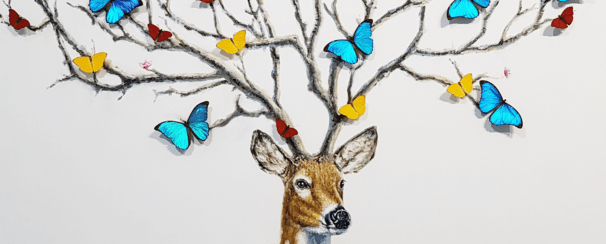
Drawing is one of the most commonly recognized forms of visual art. Drawings are created by an artist using instruments to create lines on paper or another two-dimensional surface.
EDEN
Updated: January 07, 2026Inside the Minds of EDEN Art Collectors
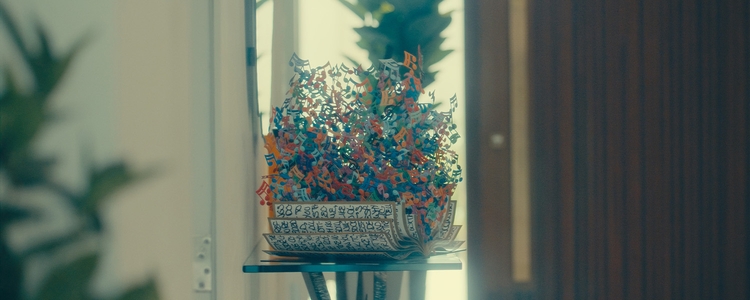
The Collectors Behind the Canvas offers an intimate look into the lives of EDEN collectors around the world. From Abu Dhabi to Dubai, discover how Dan and Nadia Feldman and Yann and Lana Biojau live surrounded by color, creativity, and meaning—revealing ...
Show more