
In the vast sea of art movements, post-internet art emerges as a reflection of our current age, characterized by the ubiquity of the internet and the profound impact it has had on society. But what exactly is post-internet art, and how does it differ from other digital art form?
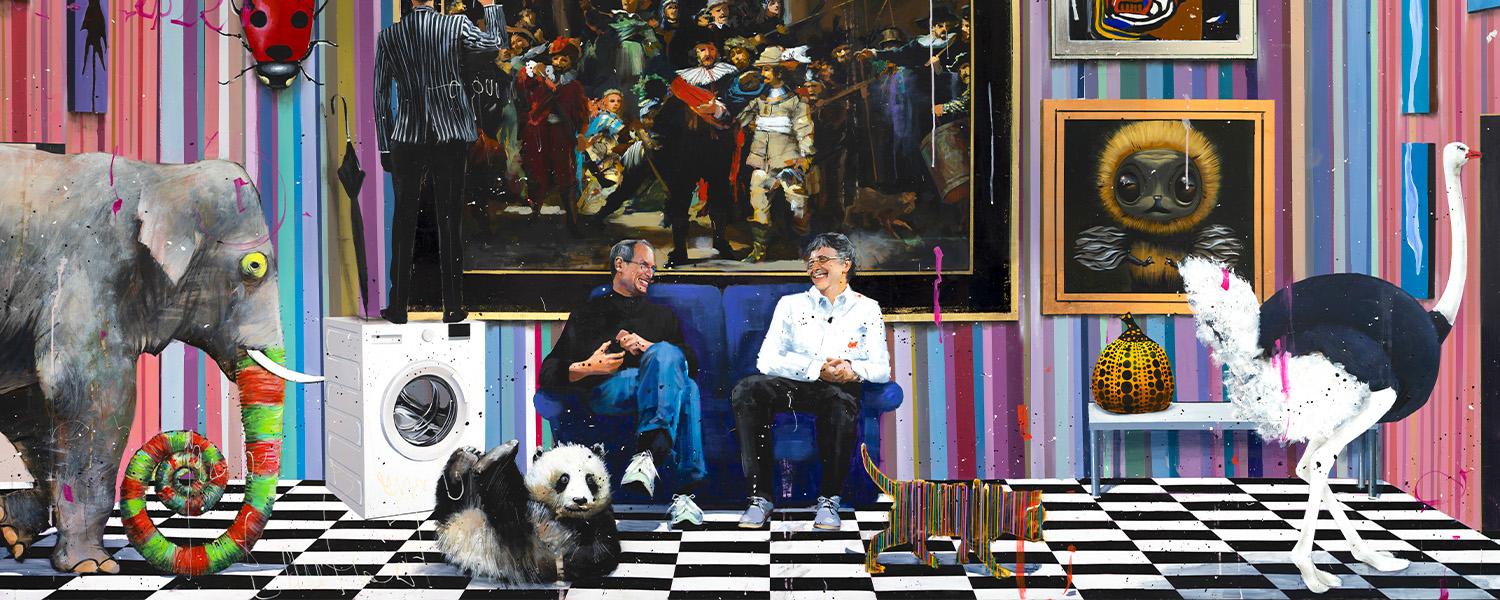
Post-Internet Art: Beyond the Digital Domain
Updated: August 12 2024
At its core, post-internet art acknowledges the internet as an inherent part of our existence rather than a separate entity. It doesn't just use the internet as a tool or medium; it critiques, reflects upon, and engages with the digital culture that the internet has spawned. It's not just about art made online or with digital tools, but art that responds to the cultural shifts brought about by the internet.

One might ask, how is this different from digital art or net art? While digital art is often concerned with the possibilities and limitations of digital tools and mediums, and net art is centered around the internet as a platform, post-internet art delves deeper. It tackles the ramifications of living in a world where offline and online experiences are intertwined. In this sense, it's a reaction to the internet's pervasive influence on all aspects of our lives.

The aesthetics of post-internet art can vary widely. It might incorporate familiar internet iconography, like browser windows, memes, or glitches. But it can also manifest in more abstract ways, reflecting the internet's influence on our perceptions, emotions, and identities. For instance, an artist might create a sculpture that mimics the aesthetics of a 3D-rendered object, blurring the lines between the virtual and the real.

Moreover, post-internet art often challenges traditional notions of art and its consumption. With the internet democratizing access to art and enabling global collaborations, post-internet artists frequently play with ideas of originality, ownership, and distribution. The boundary between artist and audience can blur with participatory projects or works that evolve based on viewer interaction.

In conclusion, post-internet art is a testament to the times we live in. It's a reflection of the ways in which the internet has reshaped our world, from our daily routines to our most profound cultural understandings. As the lines between the physical and digital worlds continue to blur, post-internet art stands as a poignant reminder of the evolving nature of art and human experience in the 21st century. Whether you're a seasoned art enthusiast or a casual observer, there's no denying the resonance of this movement in our interconnected age.
RELATED ARTICLES

EDEN
Updated: March 31, 2026Alchemy of the Ordinary: Transforming Everyday Objects into Masterpieces
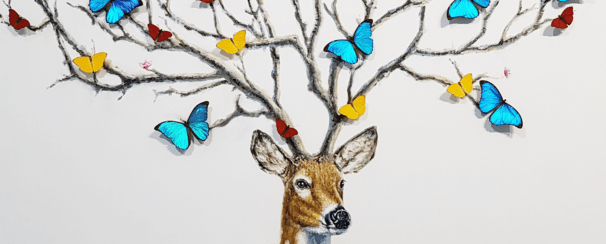
Art has a remarkable ability to elevate the mundane, turning everyday objects into extraordinary expressions of creativity. Throughout history, artists have reimagined the ordinary, using it to challenge perceptions, inspire wonder, and reshape our ...
EDEN
Updated: March 25, 2026What Is Drawing?
Drawing is one of the most commonly recognized forms of visual art. Drawings are created by an artist using instruments to create lines on paper or another two-dimensional surface.
EDEN
Updated: January 07, 2026Inside the Minds of EDEN Art Collectors
The Collectors Behind the Canvas offers an intimate look into the lives of EDEN collectors around the world. From Abu Dhabi to Dubai, discover how Dan and Nadia Feldman and Yann and Lana Biojau live surrounded by color, creativity, and meaning—revealing ...
Show more