
Personalized art transforms collecting into a deeply meaningful experience, blending artistic vision with personal stories, symbols, and spaces to create one-of-a-kind works.
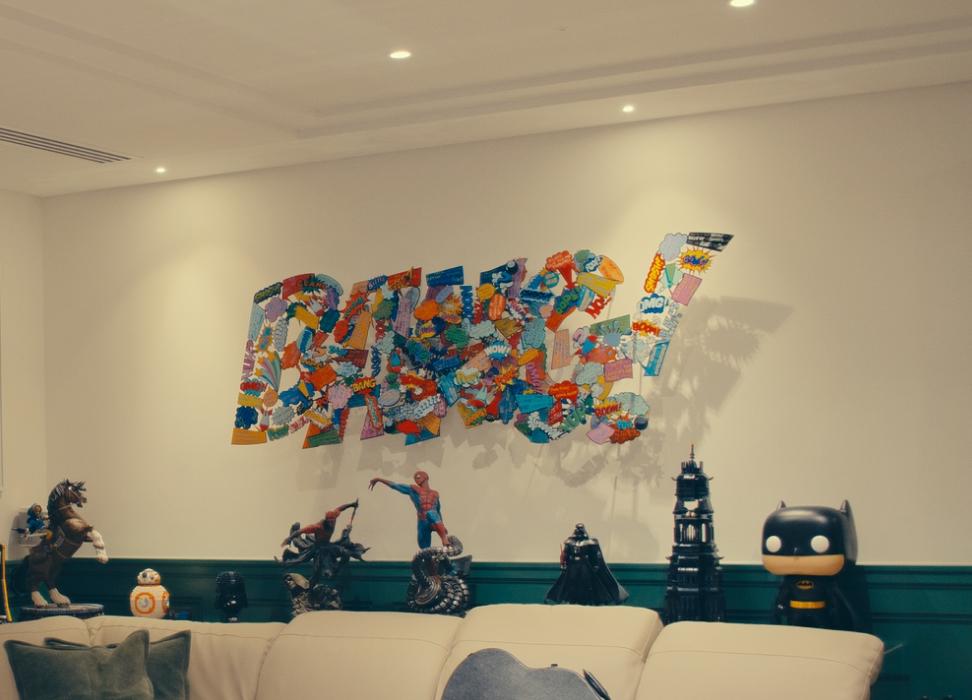
Personalized Art: How to Personalize Artworks in a Meaningful Way
Updated: March 26 2026
Key Takeaways
Personalized art connects the artwork to your story, identity, and environment.
Meaningful details—like dates, symbols, or locations—create deeper emotional value.
Customization can range from subtle additions to full site-specific commissions.
Collaboration with artists and galleries ensures a cohesive and authentic result.
The best personalized artworks preserve the artist’s voice while making the piece uniquely yours.

Art investment can take many forms, and not all of them begin with the same level of capital, confidence, or collecting experience. Some buyers are drawn to the intimacy of owning a single work outright, while others prefer diversified models that spread risk across multiple holdings. What matters most at the beginning is understanding how each approach functions and how closely it aligns with your goals, whether those goals are financial, personal, or both.
The art market allows for several entry points, ranging from traditional collecting to newer structures shaped by technology and shared ownership. Each path carries different expectations around control, access, liquidity, and emotional connection to the work itself.
Different Ways to Invest in Art
Sole Ownership
Sole ownership is the most traditional form of art investment. It means purchasing a piece outright and taking full responsibility for how it is collected, displayed, maintained, and eventually sold. This model appeals to collectors who value direct control and a more personal relationship with the artwork.
That direct ownership can be rewarding in ways that are both practical and emotional. The collector is not only holding an asset, but also living with a work that becomes part of their space and daily routine. For many people, that connection is one of the reasons art remains distinct from other forms of investment.
Art Investment Funds
Art investment funds pool capital from multiple investors in order to acquire high-value works. These funds are usually managed by professionals with market knowledge, which makes them appealing to those who want exposure to art without having to build deep expertise from the start.
This structure offers diversification and can reduce the risks associated with relying on a single artist or artwork. It also gives investors access to pieces and opportunities that might otherwise remain out of reach on an individual level.

Fractional Shares
Fractional ownership allows several investors to hold shares in a single artwork rather than purchasing the entire piece themselves. This lowers the barrier to entry and makes the art market more accessible to people who want to participate without committing to full acquisition.
It also introduces a degree of liquidity that traditional art collecting often lacks. For investors interested in access, flexibility, and lower initial commitment, fractional models can offer a practical alternative to sole ownership.
Digital Art
Digital art, including NFT-based works, has opened a newer branch of art investment shaped by blockchain technology and online platforms. These works appeal to collectors interested in the intersection of visual culture, ownership systems, and technological innovation.
For some investors, digital art represents a contemporary extension of collecting; for others, it functions as a distinct asset class with its own rules, audiences, and risks. In either case, it has broadened the ways in which art can be bought, authenticated, and traded.
Tips for New and Experienced Art Collectors
Understanding investment models is one part of the process. The other is learning how to collect with clarity. For both new and experienced buyers, the challenge is often less about access and more about confidence: how to ask the right questions, how to assess a work, and how to move through the process without unnecessary pressure.
Buying a new piece of art does not have to feel intimidating. In practice, collecting becomes easier when you approach it as a process of looking, learning, and choosing with intention rather than trying to master everything at once.
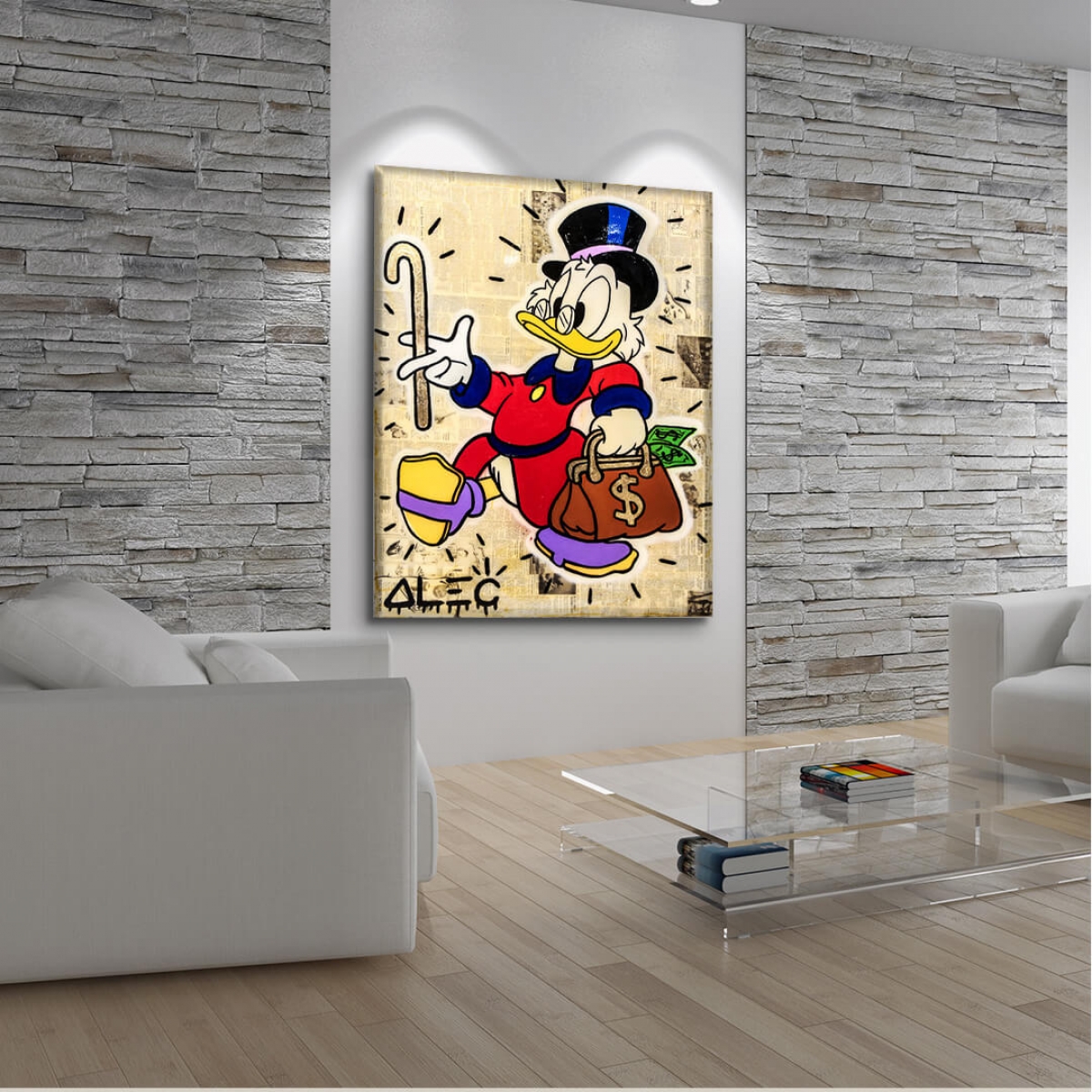
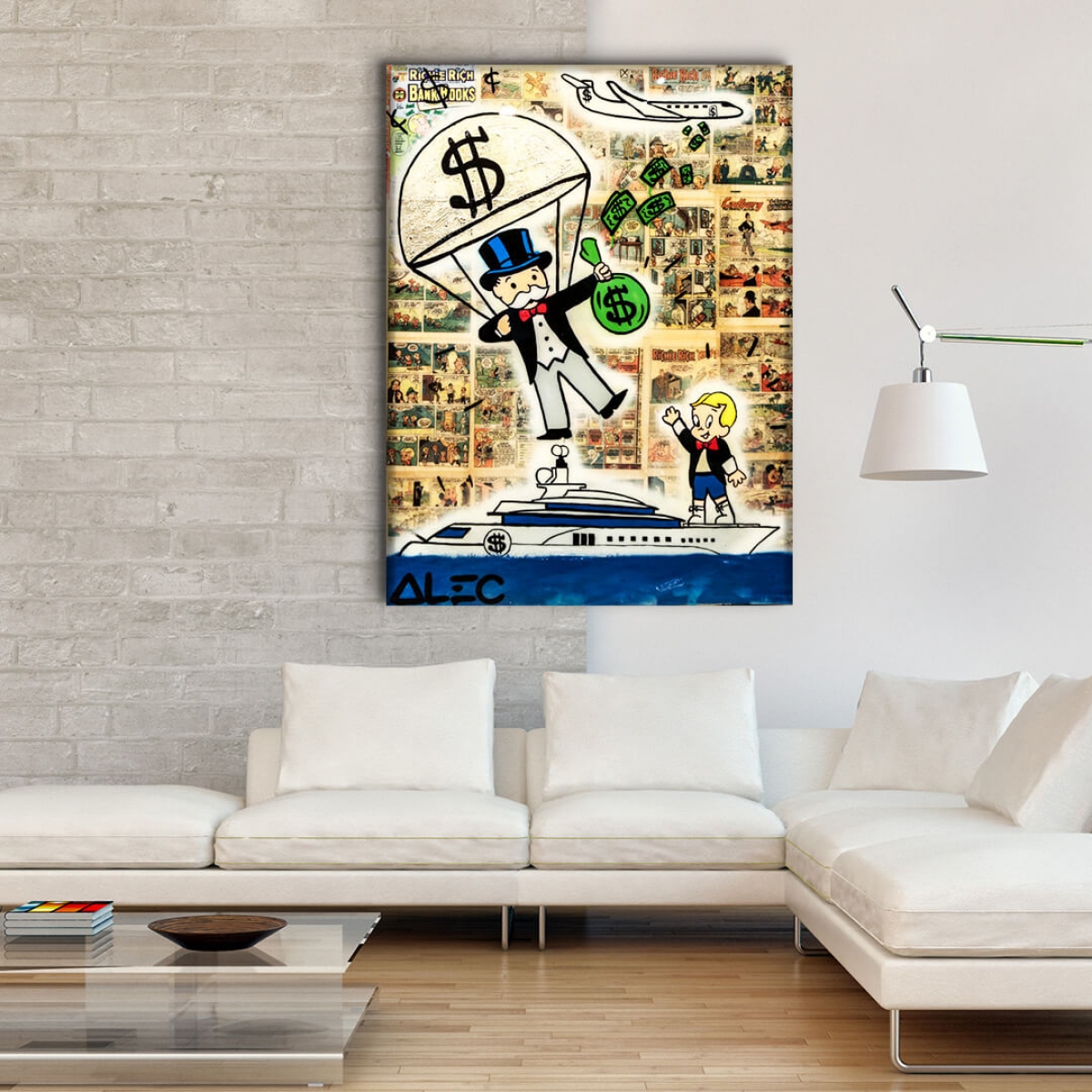
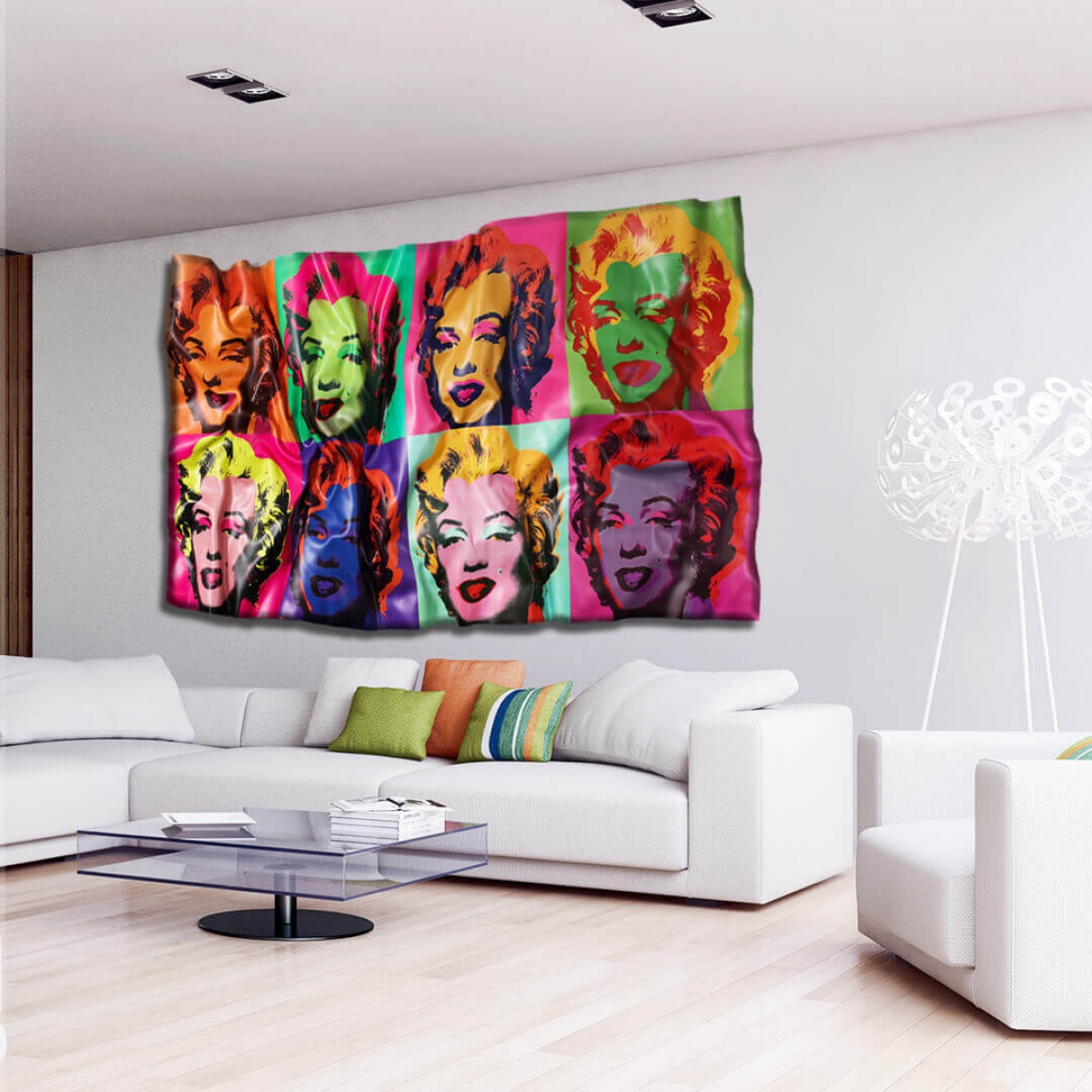
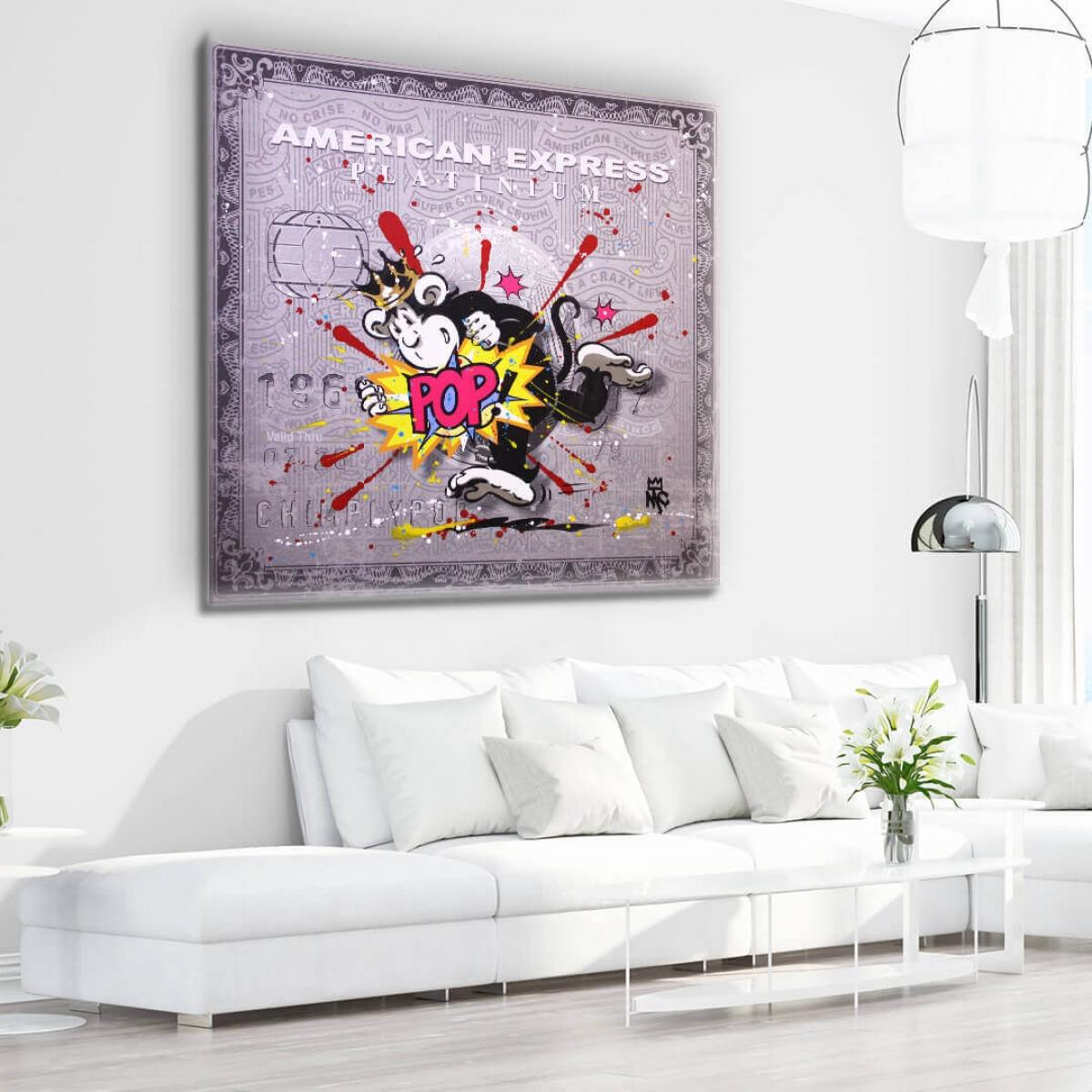
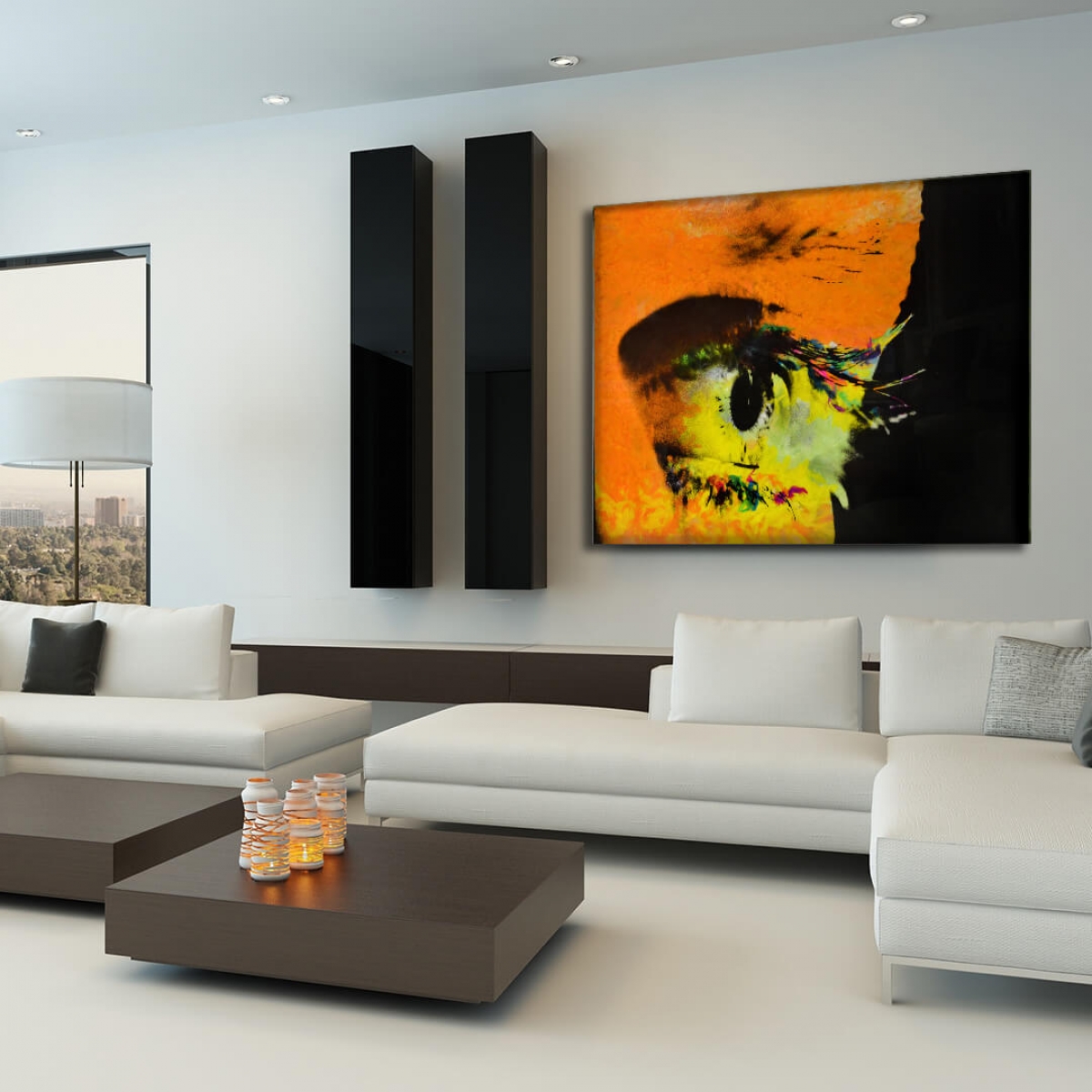
Don’t Be Intimidated
Art galleries can feel closed or unfamiliar at first, especially when prices are not immediately visible and the environment seems shaped by unspoken rules. That first impression can make collecting seem more exclusive than it really is.
In practice, galleries are places to ask questions, compare impressions, and refine your eye. Even when a work is outside your budget, the experience of seeing it in context helps define your taste more clearly. Looking is part of collecting, even before buying begins.
Don’t Buy to Invest, Buy Something You Love
A purely financial approach to art often overlooks what makes collecting sustainable over time. Most works do not immediately increase in value, and even when appreciation happens, it does not replace the daily reality of living with the piece.
Whether you are drawn to Modern Art, Pop Art, Photography art, or another category entirely, the strongest starting point is often simple: choose something you want to return to visually, day after day.
That does not mean ignoring value. It means beginning from connection rather than status. A work that continues to hold your attention is often a better foundation for collecting than one chosen only for projected resale.
Don’t Skip the Gallery Visit (if You Can)
Online platforms have made collecting more accessible, but they also flatten scale, texture, and presence into a screen-based impression. A piece that looks balanced online can feel entirely different in person.
That is why physical viewing still matters. Seeing the work directly gives you information that images rarely can: how color behaves in space, how the surface reacts to light, how the piece holds attention from different distances.
If visiting is not possible, the next best step is conversation. Speak with the gallery, ask about dimensions, finish, materials, and return policy, and use that information to reduce uncertainty before you commit.
Don’t Spend More Than You Can
A budget does not need to be rigid, but it should be real. Defining your range before entering negotiations creates clarity for both you and the gallery and helps narrow the field in a useful way.
Art collecting should expand your relationship to what you love, not create avoidable pressure. A considered purchase within your means tends to remain satisfying longer than one made under emotional urgency or financial strain.
Don’t Forget the Details
The artwork itself is only part of the acquisition. Framing, shipping, installation, placement, provenance, and certificates of authenticity all shape what the purchase becomes in practice.
These details should not be treated as secondary. They complete the decision and help ensure that the work arrives, lives, and remains documented properly within the collection.
Start Investing in Art
Investing in art can be financially rewarding, but it is rarely meaningful when approached only as a strategy. The strongest collections tend to grow through a combination of research, observation, and genuine visual commitment.
Over time, collecting becomes less about reacting to the market and more about understanding how different works, artists, and categories fit together within your own way of seeing. That is where confidence begins to build.
Explore curated works at EDEN Gallery and begin shaping a collection that feels informed, personal, and sustainable over time.
How do you personalize an artwork?
You personalize an artwork by starting with a meaningful story, identifying details that can represent it, considering the space, and working with the gallery and artist to integrate those elements thoughtfully into the piece.
Can an existing artwork be personalized?
Yes. In some cases, an artist can adapt an existing work by adding a meaningful detail, such as a number, location, or symbol. The Biojau story is a strong example of this approach.
Does personalized art still hold artistic value?
Yes, when it is done thoughtfully. The strongest personalized artworks preserve the integrity of the artist’s voice while adding a genuine layer of meaning for the collector.
What is personalized art?
Personalized art is artwork customized for a specific collector through meaningful visual, symbolic, or spatial details. It may involve modifying an existing work or commissioning a new one built around the collector’s story.
Is personalized art only for major collectors?
No. Personalization can happen at different levels, from subtle custom elements to large commissions. What matters most is clarity of concept and a strong fit between your story and the artist’s visual language.