
An informative guide to mixed media art, exploring its meaning, key techniques, and contemporary practices. Learn how artists combine materials, textures, and digital elements to redefine creative expression today.
What is Mixed Media Art?
Updated: March 17 2026
Key Takeaways: What Mixed Media Art Is and Why It Matters
Mixed media art refers to artworks that combine two or more materials or artistic techniques, allowing artists to create layered visual narratives that go beyond a single medium.
Artists working in mixed media often incorporate elements such as paint, photography, fabric, found objects, and digital components to build texture, depth, and conceptual meaning.
Techniques like collage, assemblage, and the fusion of digital and traditional tools reflect how contemporary art adapts to technological and cultural change.
Influential artists such as Robert Rauschenberg and Joseph Cornell expanded the possibilities of mixed media by combining painting with objects and sculptural elements.
Through curated collections and global exhibitions, EDEN, The House of Art showcases artists who use mixed media to explore storytelling, identity, and contemporary culture.
What Is Mixed Media Art?
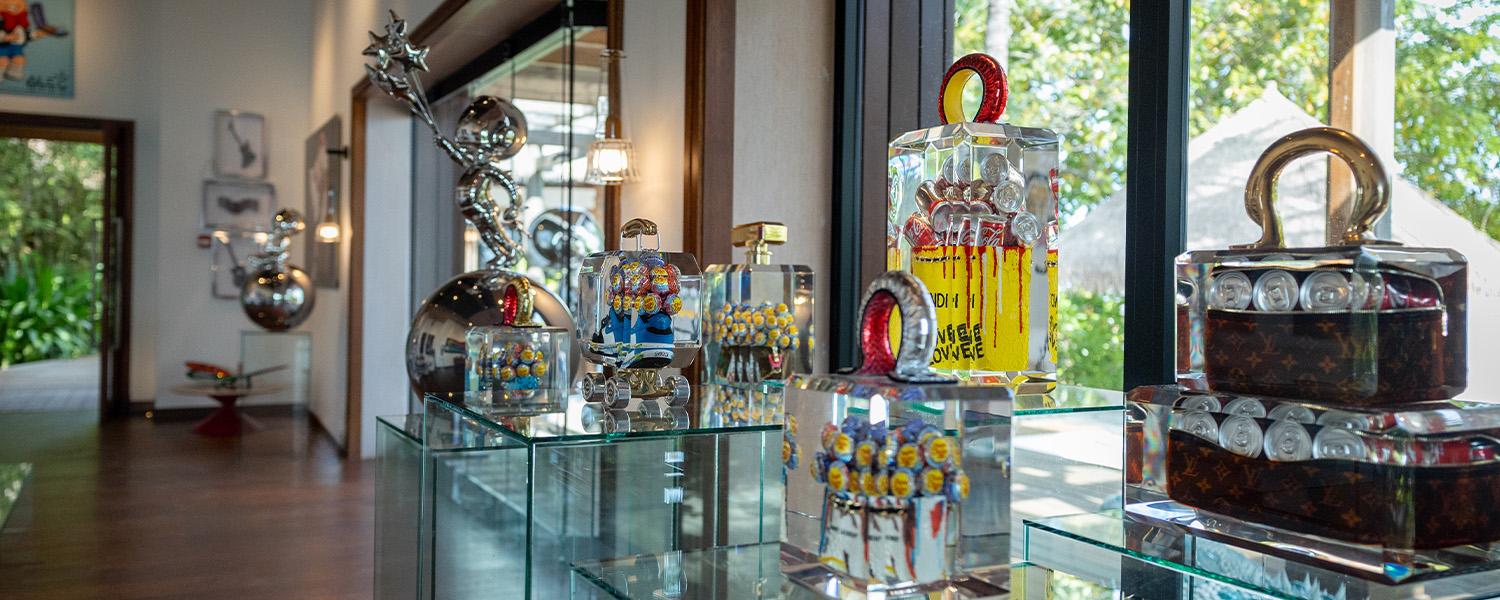
Mixed media art meaning refers to the practice of combining two or more artistic materials or techniques within a single artwork. Rather than adhering to one medium such as oil paint or photography, contemporary mixed media artists like Alec Monopoly layer diverse elements to create richer and more dynamic visual narratives.
To define mixed media in art, it is best understood as an approach rather than a fixed style. Mixed media allows artists to merge traditional and nontraditional materials, opening endless possibilities for texture, depth, and conceptual expression.
Common materials in mixed media artworks include paint, ink, paper, fabric, photography, found objects, digital elements, and sculptural components.
Mixed Media Art Meaning in Contemporary Practice
In contemporary art, mixed media functions as both a visual language and a conceptual tool. Artists use it to explore identity, culture, memory, and social change, often reflecting the complexity of modern life.
As the world evolved, so did the influences shaping mixed media art. The iconic Pop Art movement of the 1950s and 1960s marked a turning point. Visionaries like Andy Warhol and Roy Lichtenstein incorporated elements of popular culture into their mixed media artworks, combining screen printing techniques with hand-drawn elements.
The digital age of the late twentieth century expanded artistic possibilities even further. Digital imagery, photography, and experimental techniques became integral to mixed media art.
Urbanization, globalization, and the rise of consumer culture also played key roles in shaping mixed media practices, encouraging artists to create works that resonate with contemporary audiences across cultures.

Techniques of Mixed Media Art
Mixed media art techniques vary widely, allowing artists to work across disciplines and materials. Below are some of the most commonly used approaches today.
Collage and Assemblage
Collage involves layering paper, photographs, textiles, and printed materials onto a surface. Assemblage expands this concept into three dimensions using found objects. These techniques allow artists to construct narratives from fragments of everyday life.
Painting Combined With Drawing
Combining painting with drawing is one of the most widely used mixed media art techniques. Artists layer acrylics or oils with charcoal, ink, or pencil to introduce contrast, movement, and spontaneity.
Incorporating Found Objects
Found objects such as wood, metal, paper, or industrial materials add physical depth and symbolic meaning. This approach challenges traditional definitions of fine art materials.
Digital and Analog Fusion
Many contemporary mixed media artists blend digital tools with handmade processes. Digital sketches or photographs may be printed onto canvas and further altered with paint, texture, or collage.
Texture Building and Layering
Texture plays a central role in mixed media art. Artists build surfaces using plaster, resin, sand, fabric, or gel mediums, transforming flat compositions into tactile experiences.
Photography as a Base Medium
Photography is often used as a foundation in mixed media artworks, enhanced with paint, drawing, or digital manipulation. This technique bridges realism and abstraction.
Sculptural Mixed Media
Mixed media extends beyond two-dimensional works. Sculptural mixed media combines materials such as wood, metal, resin, and paint to create spatial and immersive artworks.
Text and Typography
Words, symbols, and handwritten text are frequently incorporated to add narrative depth, cultural references, or emotional resonance.
Experimental Materials
Some artists experiment with unconventional materials including mirrors, plastics, neon elements, or recycled objects, expanding how mixed media is defined in art.

Contemporary Mixed Media Art
Contemporary mixed media reflects the layered and interconnected nature of modern culture. Artists move fluidly between mediums, embracing experimentation and cross-disciplinary influences.
Rather than focusing on a single aesthetic, contemporary mixed media artists prioritize storytelling, conceptual exploration, and innovation. Their works often exist at the intersection of painting, sculpture, design, and digital art.
Collectors and art enthusiasts can explore a wide range of approaches through curated Mixed Media collections, individual Artworks, and diverse Artists working across the genre.
Influential Figures in Mixed Media Art
The history of mixed media art includes artists who reshaped the boundaries of artistic practice. Robert Rauschenberg is widely recognized for redefining mixed media through his “Combines,” which merged painting with found objects.
Joseph Cornell created intimate shadow boxes that fused photographs and objects into poetic visual narratives. Louise Nevelson transformed discarded wood into monumental monochromatic wall sculptures, demonstrating the power of mixed media in sculptural form.
These figures laid the foundation for contemporary mixed media practices.
Mixed Media Art Today
Mixed media continues to thrive as one of the most dynamic forms of artistic expression. It appears in gallery exhibitions, large-scale installations, and experimental formats that reflect current cultural and technological shifts.
Artists working in this field, including Alec Monopoly, illustrate how mixed media can combine painting, graphic elements, and layered symbolism to communicate ideas in accessible and visually engaging ways.
Why Mixed Media Continues to Matter
In the broader context of art history, mixed media represents the ongoing desire to innovate and redefine creative boundaries. It reflects the changing world around us and challenges viewers to reconsider how art is created and experienced.
Through collage, sculpture, or digital experimentation, mixed media art remains a powerful and evolving form of expression that continues to shape contemporary visual culture.
RELATED ARTICLES
EDEN
Updated: March 31, 2026Alchemy of the Ordinary: Transforming Everyday Objects into Masterpieces
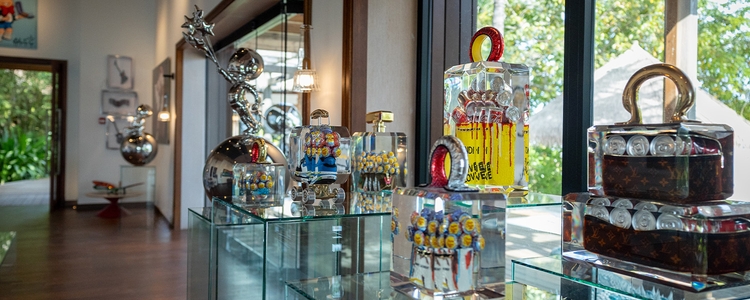
Art has a remarkable ability to elevate the mundane, turning everyday objects into extraordinary expressions of creativity. Throughout history, artists have reimagined the ordinary, using it to challenge perceptions, inspire wonder, and reshape our ...
EDEN
Updated: March 25, 2026What Is Drawing?
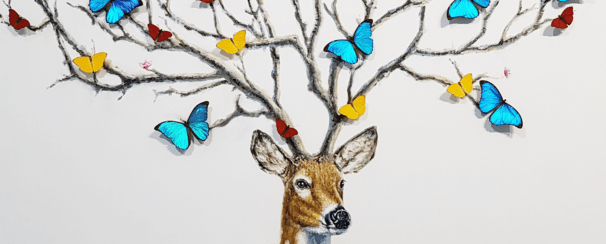
Drawing is one of the most commonly recognized forms of visual art. Drawings are created by an artist using instruments to create lines on paper or another two-dimensional surface.
EDEN
Updated: January 07, 2026Inside the Minds of EDEN Art Collectors
The Collectors Behind the Canvas offers an intimate look into the lives of EDEN collectors around the world. From Abu Dhabi to Dubai, discover how Dan and Nadia Feldman and Yann and Lana Biojau live surrounded by color, creativity, and meaning—revealing ...
Show more