
Conceptual art is an avant-garde movement that emerged in the 1960s, fundamentally challenging the traditional boundaries of art. Unlike conventional forms of art, which often emphasize aesthetic and technical skill, conceptual art prioritizes ideas and concepts over the physical creation of the artwork. This radical shift in focus has paved the way for a diverse range of artistic expressions, encouraging both artists and viewers to engage deeply with the underlying message.
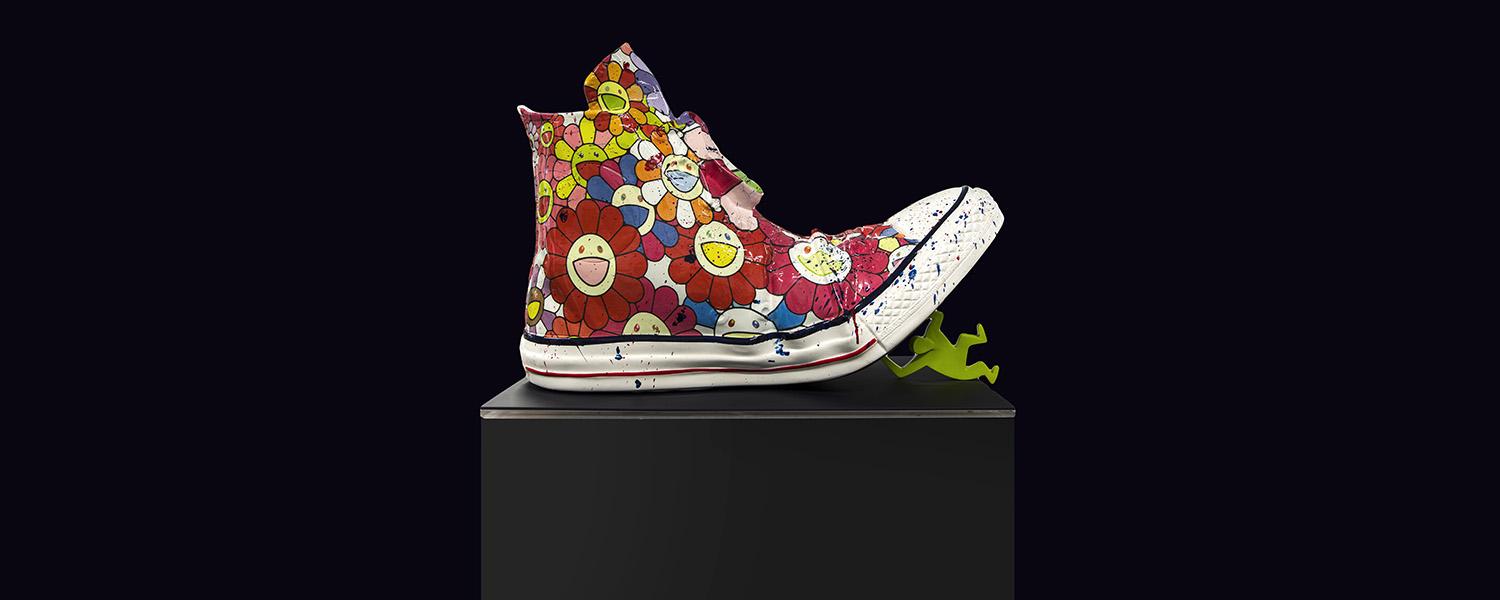
Exploring the Essence of Conceptual Art: Where Ideas Take Center Stage
Updated: July 04 2024

The roots of conceptual art can be traced back to the pioneering works of artists such as Marcel Duchamp, whose provocative ready-mades like "Fountain" (a porcelain urinal signed 'R. Mutt') questioned the very nature of what constitutes art. Duchamp's influence was profound, inspiring subsequent generations to explore art as a medium for intellectual inquiry rather than merely visual pleasure.

In the 1960s, conceptual art gained significant momentum, with artists like Sol LeWitt, Joseph Kosuth, and Yoko Ono leading the charge. Sol LeWitt's statement, "The idea becomes a machine that makes the art," encapsulates the movement's essence. His "Paragraphs on Conceptual Art" (1967) emphasized that the concept itself holds more significance than the final product. LeWitt's wall drawings, which consist of detailed instructions executed by others, exemplify this approach.
Joseph Kosuth's works further illustrate the power of ideas in conceptual art. His piece "One and Three Chairs" (1965) juxtaposes a physical chair, a photograph of the chair, and a dictionary definition of a chair, prompting viewers to contemplate the nature of representation and language. This exploration of semiotics and meaning challenges viewers to reconsider their perceptions and assumptions.
Yoko Ono's "Grapefruit" (1964), a book of artistic instructions, invites readers to perform simple acts that transcend traditional art forms. Ono's work blurs the line between artist and audience, emphasizing participation and personal interpretation. Her piece "Cut Piece" (1964), where she invited audience members to cut pieces of her clothing, highlights the collaborative nature of conceptual art.

Conceptual art also encompasses movements such as Fluxus, which emphasizes process over product, and Land Art, which integrates the environment into the artwork. Artists like Robert Smithson and Richard Long have created monumental pieces that transform landscapes into artistic statements, further expanding the boundaries of conceptual art.
Critics of conceptual art argue that its reliance on intellectual engagement can alienate viewers unfamiliar with its context. However, proponents contend that this very challenge is what makes conceptual art compelling. It demands active participation, encouraging viewers to think critically and engage with the artist's ideas on a deeper level.
In conclusion, conceptual art is a dynamic and intellectually stimulating movement that has redefined the role of art in society. By prioritizing ideas and concepts, it invites both artists and audiences to explore new dimensions of creativity and meaning. As it continues to evolve, conceptual art remains a powerful testament to the boundless possibilities of human imagination.
Five Fun Facts About Conceptual Art
- The Art of Instructions: Sol LeWitt, a pioneer of conceptual art, often created artworks that came with a set of instructions for others to follow. This meant that his pieces could be recreated anywhere, anytime, making the idea behind the art more significant than the physical work itself.
- Words as Art: Conceptual artist Joseph Kosuth once created an artwork that featured nothing but a dictionary definition. His famous piece "One and Three Chairs" included a real chair, a photo of the chair, and a dictionary definition of "chair," challenging viewers to think about how we understand and represent objects.
- Participation Required: Yoko Ono's interactive piece "Cut Piece" (1964) invited audience members to come on stage and cut away pieces of her clothing. This groundbreaking work blurred the lines between artist and audience, making viewers an essential part of the art itself.
- Art Everywhere: Land Art, a subset of conceptual art, uses natural landscapes as both the canvas and the medium. Artists like Robert Smithson created massive earthworks like "Spiral Jetty" in Utah, where the environment itself becomes an integral part of the artwork, accessible to anyone who ventures out to see it.
- From Dada to Data: Conceptual art has roots in the early 20th-century Dada movement, which sought to mock the established art world. Marcel Duchamp's infamous "Fountain" (a signed urinal) from 1917 is often considered the first conceptual artwork, questioning what qualifies as art long before the term "conceptual art" was even coined.
RELATED ARTICLES
EDEN
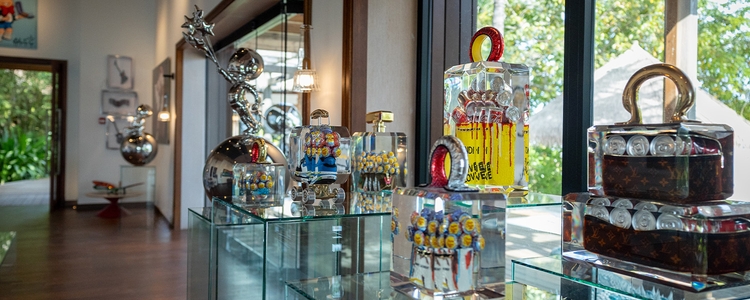
Updated: March 31, 2026Alchemy of the Ordinary: Transforming Everyday Objects into Masterpieces
Art has a remarkable ability to elevate the mundane, turning everyday objects into extraordinary expressions of creativity. Throughout history, artists have reimagined the ordinary, using it to challenge perceptions, inspire wonder, and reshape our ...
EDEN
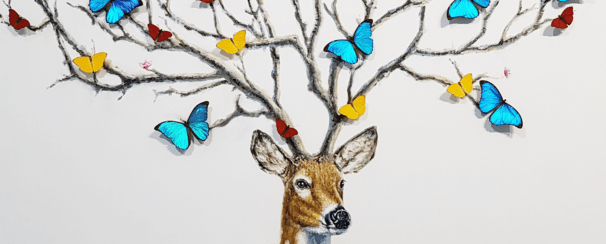
Updated: March 25, 2026What Is Drawing?
Drawing is one of the most commonly recognized forms of visual art. Drawings are created by an artist using instruments to create lines on paper or another two-dimensional surface.
EDEN
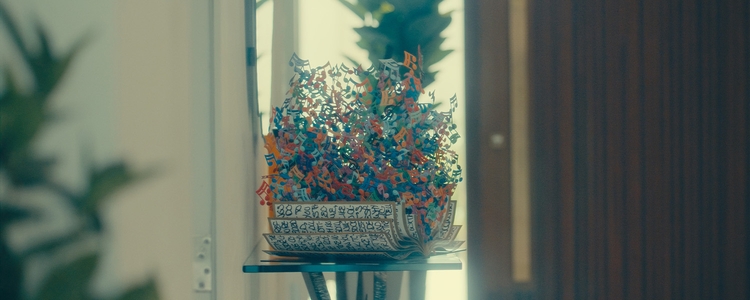
Updated: January 07, 2026Inside the Minds of EDEN Art Collectors
The Collectors Behind the Canvas offers an intimate look into the lives of EDEN collectors around the world. From Abu Dhabi to Dubai, discover how Dan and Nadia Feldman and Yann and Lana Biojau live surrounded by color, creativity, and meaning—revealing ...
Show more