
Collage has been used as a dynamic and mentally stimulating artistic medium throughout different time periods and artistic movements. In a collage, different forms are brought together in order to create a new whole. Oftentimes, the materials used in collage can include newspaper/magazine cutouts, ribbons, paints, photographs, posters, and more. They are usually glued together to a background in order to produce an entirely new artwork.
Depending on the era of time, different methods of collage have been used or preferred by artists. For example, papier collé is a type of collage specific to the Cubist movement, due to its exclusive use of paper, and paper only. Other types of collage include decoupage, photomontage, and assemblage.
What is a Collage in Art?
Updated: February 15 2026
What Is a Collage?

A collage is an artwork created by assembling different materials—such as paper, photographs, fabric, newspaper clippings, or found objects—onto a surface. These materials are layered and combined to create a new visual composition. The word “collage” comes from the French term coller, meaning “to glue.”
History of Collage in Art
Since the invention of paper in China around 200 BC, collage techniques have appeared in various cultures. In medieval Europe, religious manuscripts were adorned with gold leaf and decorative elements layered onto surfaces. Gemstones embellished sacred objects and armor, and paper was layered with calligraphy and ornamentation.
Modernist collage emerged prominently with Cubism in the early 20th century. Artists such as Pablo Picasso and Georges Braque incorporated newspaper fragments, wallpaper, and other materials into their compositions. These collages mirrored the fragmented, geometric forms of Cubism and introduced a tangible three-dimensional element to paintings that already explored multiple perspectives.
How Did Collage Enter Contemporary Art?
Collage naturally complemented the fragmented visual language of Cubism. By physically layering materials, artists added texture, depth, and visual complexity. This technique ensured that Cubist works did not appear flat and reinforced the movement’s exploration of multiple viewpoints.
Beyond Cubism, collage became central to Surrealism, Dada, Pop Art, and Abstract Expressionism. Each movement used collage differently—whether to disrupt traditional aesthetics, critique society, or explore subconscious imagery.
How Do Artists Use Collage Today?
Contemporary artists use collage to express identity, comment on culture, and document personal narratives. Serbian artist Laslo Antal, for example, created a daily collage for several years, capturing fleeting life moments. His practice reflects a desire to preserve the “raw version” of experiences before memory reshapes them—offering an intimate, tangible alternative to digital documentation.
Kenyan-born artist Wangechi Mutu also uses collage to explore gender and racial politics. By layering fragmented images of female figures, she creates fluid portraits that challenge societal norms and address complex cultural themes.

Collage at Eden Gallery
Contemporary artist Jisbar, represented by Eden Gallery, integrates collage into his mixed media works. By combining painting, graffiti elements, layered imagery, and cultural references, he creates bold compositions that merge past and present. In works like “N.5 Sunflowers,” he juxtaposes iconic symbols—from Chanel No.5 to Henri Matisse and Jean-Michel Basquiat—crafting layered cultural commentary that resonates with modern audiences.
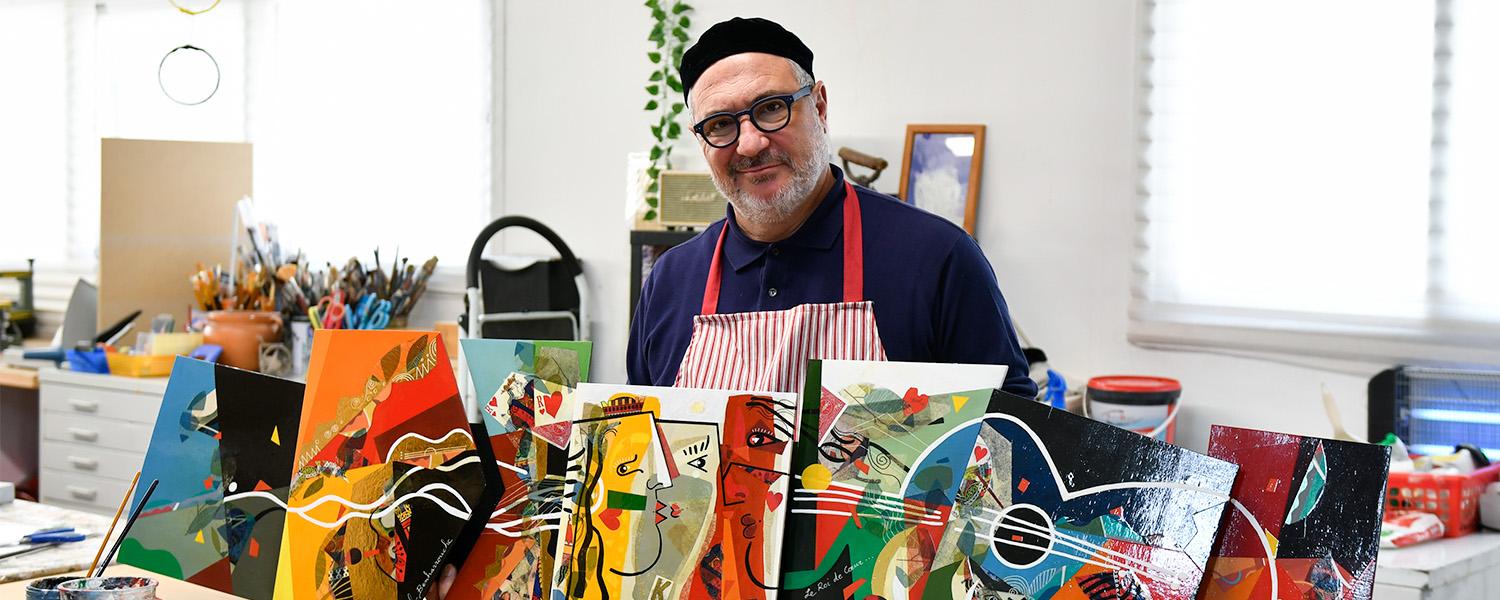
Another Eden Gallery artist, Yoel Benharrouche, employs a technique similar to collage known as decoupage. By layering paper with glue and enhancing it with painted elements, he creates textured, multi-dimensional works that explore spirituality and human connection. The layered structure deepens both the visual and conceptual impact of his art.
Browse Eden Gallery’s website or visit one of our worldwide locations to discover contemporary collage artworks that blend texture, narrative, and cultural dialogue into compelling visual experiences.
RELATED ARTICLES
EDEN
Updated: March 31, 2026Alchemy of the Ordinary: Transforming Everyday Objects into Masterpieces
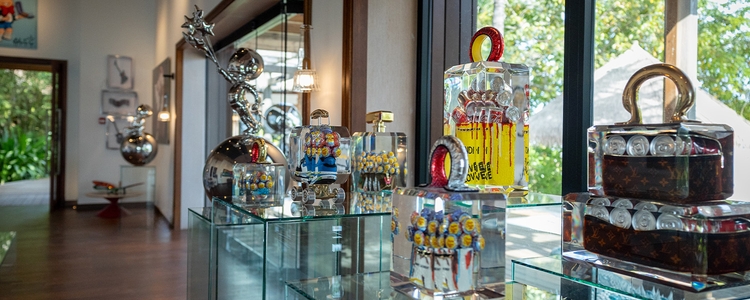
Art has a remarkable ability to elevate the mundane, turning everyday objects into extraordinary expressions of creativity. Throughout history, artists have reimagined the ordinary, using it to challenge perceptions, inspire wonder, and reshape our ...
EDEN
Updated: March 25, 2026What Is Drawing?
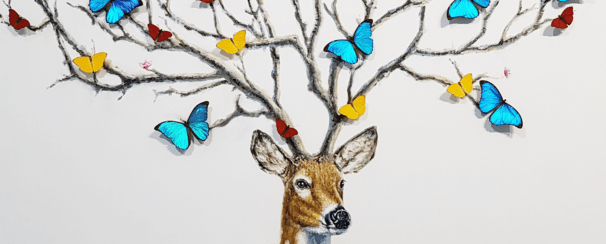
Drawing is one of the most commonly recognized forms of visual art. Drawings are created by an artist using instruments to create lines on paper or another two-dimensional surface.
EDEN
Updated: January 07, 2026Inside the Minds of EDEN Art Collectors
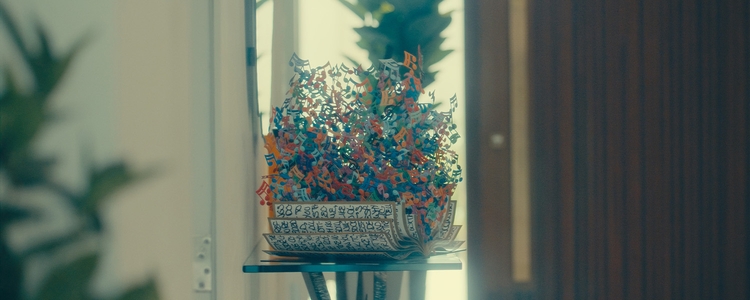
The Collectors Behind the Canvas offers an intimate look into the lives of EDEN collectors around the world. From Abu Dhabi to Dubai, discover how Dan and Nadia Feldman and Yann and Lana Biojau live surrounded by color, creativity, and meaning—revealing ...
Show more