
Technology has changed the world in many ways, and it has also brought new art forms to life. Now more than ever, art and technology are closely entwined. Immersive digital art experiences are more popular than ever, and many contemporary artists are finding new and inventive ways to combine technology into their artworks.
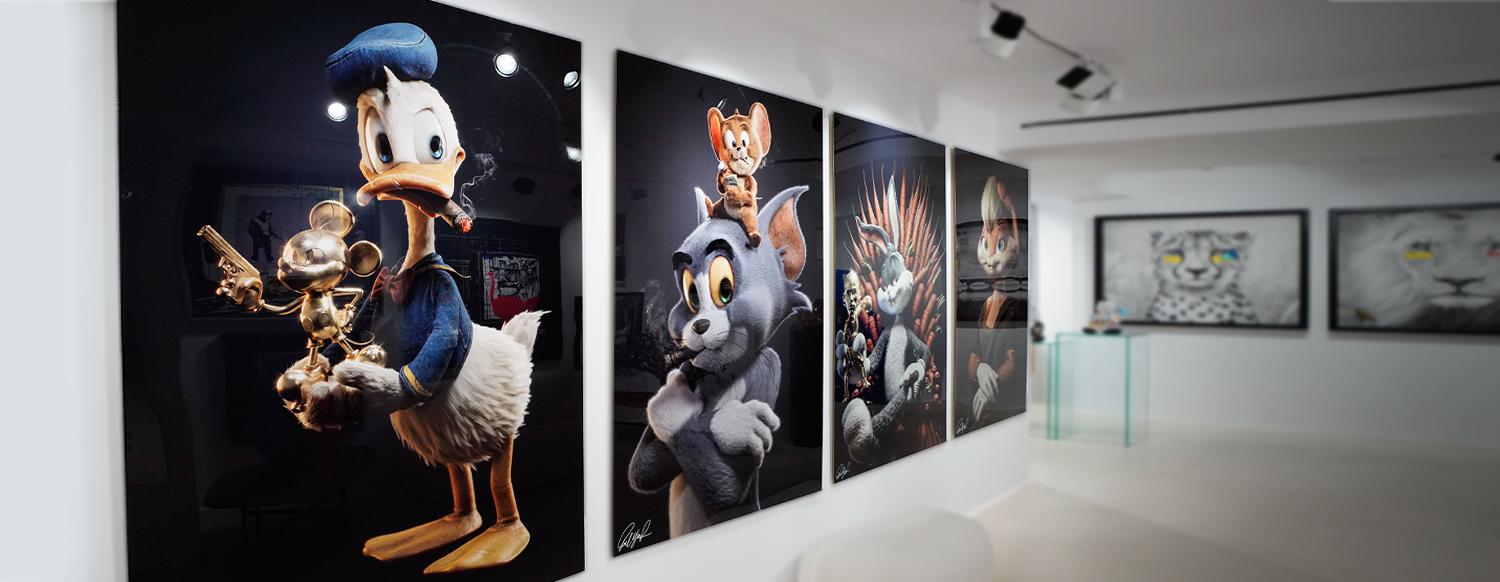
Art and Technology
Updated: February 15 2026
Art & Technology Definition
Art and technology can be defined in many ways depending on interpretation. Broadly speaking, art & technology is an interdisciplinary field of artistic creation and academic study that focuses on the creative use, exploration, and even misuse of technology through art.
What Is the Relationship Between Art and Technology?
In modern times, art and technology are rarely far apart. They do not always function in the same way, but they strongly influence one another.
Artists and designers draw inspiration from technology because it offers new tools and new ways of thinking about creativity. Technology also provides platforms that allow artists to share their work with global audiences.
When digital photography emerged in the early 2000s, it marked a massive shift. People could now create, manipulate, and instantly share images. More recently, the rise of NFTs and crypto art demonstrates how technology continues to reshape the fine art landscape in real time.
Today, artists are creating works that are not merely representations of ideas but direct interactions with technology itself. Digital tablets, design software, projection mapping, and immersive installations have expanded the boundaries of what art can be.
Digital graffiti artists showcase digital graffiti art online using advanced computer systems. In other cases, traditional paintings are reimagined as digitally immersive experiences.
This evolving relationship between art and technology has generated new interactive, digital, and multimedia art forms.
What Is the Role of Technology in Art?
The internet has contributed to the democratization of art. Anyone with an idea and the drive to create can now share their work with the world.
Technology helps artists connect with audiences through social media, digital marketplaces, the metaverse, and online galleries. Beyond distribution, it also shapes how art is produced, consumed, taught, and experienced.
As with earlier innovations like photography, technological advancements often spark debate. Some critics resist change, while others embrace innovation as a natural evolution of artistic practice.

Art and Technology History
In the 17th century, art and technology were often viewed as closely related disciplines. Artists such as Leonardo da Vinci believed art reflected the laws of nature and frequently engaged in scientific and technological exploration.
Throughout history, art has thrived on innovation, with technology serving as both a tool and a catalyst. Although art and technology have sometimes been conceptually separated, they have continuously intersected and influenced one another.
Art and Technology Examples
While traditional artworks once relied primarily on physical materials and manual techniques, contemporary artists increasingly incorporate digital tools and technological processes into their practice.
Some of the most visible examples include:
The Futurism Movement
Futurism emerged in the early 20th century and celebrated technological advancement. Automobiles, aircraft, and machinery frequently appeared as subjects, reflecting fascination with speed, industry, and modernity.
NFTs & Crypto Art
Crypto art is a pioneering digital art form in which ownership is verified through blockchain technology. The Meta Eagle Club NFT collection, backed by Eden Gallery, is an example of crypto art by digital artist Gal Yosef.
Immersive Art
Technology also enables curators to present art in immersive environments. Exhibitions like “Immersive Van Gogh” project artworks onto walls and floors, creating fully enveloping visual experiences. Similar immersive exhibitions have featured artists such as Frida Kahlo, Gustav Klimt, and Claude Monet.
How Has Technology Changed the Life of the Artist?
Technology has significantly altered how artists live and work. In the past, access to galleries and cultural centers was limited. Today, artists can reach global audiences through online platforms.
Artists now apply their creative skills across multiple industries, including design, music, gaming, and entertainment. Digital presence allows them to connect with collectors and admirers who may never experience their work in person.
Can Art and Technology Be Combined?
Historically, art production relied solely on human hands and physical tools. Today, digital technologies provide artists and musicians with innovative resources that accelerate and expand creative possibilities.
These tools allow artists to merge creativity with technology, forming entirely new artistic languages. The future of art promises continued experimentation and discovery at the intersection of human imagination and technological innovation.
Why Buy at Eden Gallery?
Eden Gallery is a global network of galleries representing world-class artists. When you shop with Eden Gallery, you choose art from a trusted and established source. Explore our collection of original artworks for sale and discover contemporary works that reflect the evolving dialogue between art and technology.
RELATED ARTICLES
EDEN
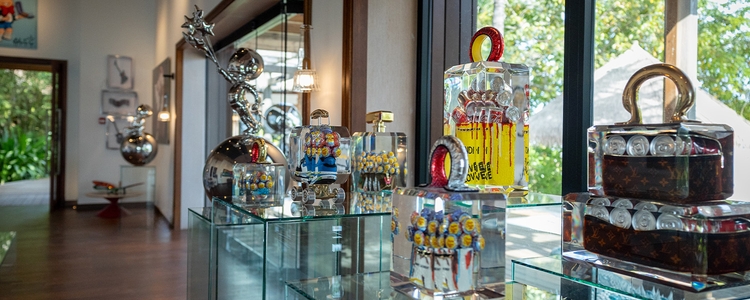
Updated: March 31, 2026Alchemy of the Ordinary: Transforming Everyday Objects into Masterpieces
Art has a remarkable ability to elevate the mundane, turning everyday objects into extraordinary expressions of creativity. Throughout history, artists have reimagined the ordinary, using it to challenge perceptions, inspire wonder, and reshape our ...
EDEN
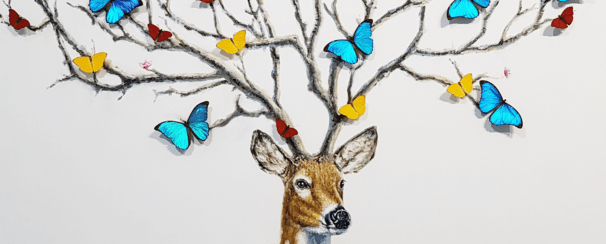
Updated: March 25, 2026What Is Drawing?
Drawing is one of the most commonly recognized forms of visual art. Drawings are created by an artist using instruments to create lines on paper or another two-dimensional surface.
EDEN
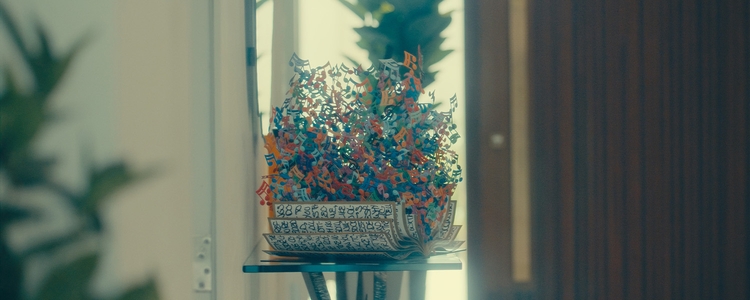
Updated: January 07, 2026Inside the Minds of EDEN Art Collectors
The Collectors Behind the Canvas offers an intimate look into the lives of EDEN collectors around the world. From Abu Dhabi to Dubai, discover how Dan and Nadia Feldman and Yann and Lana Biojau live surrounded by color, creativity, and meaning—revealing ...
Show more