
Childhood, with its boundless energy and vivid imagination, has long been a profound source of inspiration in the world of art. From the innocent charm of a child's gaze to the playful spirit captured in their activities, artists have continually sought to explore and celebrate the essence of youth. This fascination with childhood is not merely about depicting children but also about symbolizing the purity, potential, and sometimes the poignant fragility of early life.

Art and Childhood: Imagining Youth in Art
Updated: February 15 2026

Throughout history, artists have used various symbols and motifs to represent childhood, with each era adding new layers of meaning and depth. During the Renaissance, children were often portrayed as cherubic figures, symbolizing innocence and the divine nature of human life. Raphael’s cherubs in the “Sistine Madonna,” for example, highlight the sanctity and purity associated with youth. This imagery reflects the Renaissance emphasis on beauty, harmony, and the presence of the divine within everyday existence.

In the 18th and 19th centuries, the Romantic era transformed the portrayal of childhood. Artists such as Francisco Goya and Thomas Gainsborough depicted children in natural, idyllic environments, emphasizing youth as a time of emotional depth and unspoiled beauty. Works like Goya’s “The Parasol” and Gainsborough’s “The Blue Boy” present children as embodiments of nature’s purity and the sentimental value society placed on innocence.
The 20th century introduced modernism and surrealism, opening new dimensions in the representation of childhood. Artists such as Pablo Picasso and Joan Miró explored the subconscious, using childhood as a gateway to unfiltered creativity and raw emotional expression. Picasso’s “Child with a Dove” and Miró’s playful abstractions invite viewers to reconnect with the uninhibited imagination and spontaneity of youth.

In contemporary art, childhood continues to evolve as a subject rich with symbolism. Artists like Yoshitomo Nara and Jeff Koons employ playful yet subversive imagery to explore the complexities of growing up in a media-driven world. Nara’s solitary, defiant children and Koons’ iconic balloon animals evoke nostalgia while simultaneously critiquing commercialization and the perceived loss of innocence in modern society.
Symbolism plays a vital role in these interpretations. Everyday objects such as toys or animals anchor viewers in familiarity, while surreal or exaggerated elements challenge perception and encourage deeper reflection. Color also carries meaning: bright primary hues mirror the intensity and immediacy of a child’s world, whereas muted palettes can suggest nostalgia, fragility, or the fleeting nature of youth.
Art’s exploration of childhood transcends simple representation. It enters symbolic, emotional, and philosophical territory, prompting viewers to revisit their own experiences of youth and consider the enduring influence of early life on identity. Through this lens, art becomes a powerful medium for reimagining childhood—capturing its wonder, vulnerability, and boundless possibility.
RELATED ARTICLES

EDEN
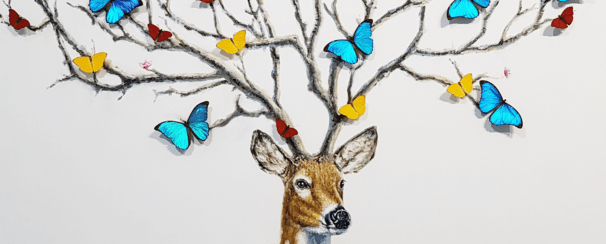
Updated: March 31, 2026Alchemy of the Ordinary: Transforming Everyday Objects into Masterpieces
Art has a remarkable ability to elevate the mundane, turning everyday objects into extraordinary expressions of creativity. Throughout history, artists have reimagined the ordinary, using it to challenge perceptions, inspire wonder, and reshape our ...
EDEN
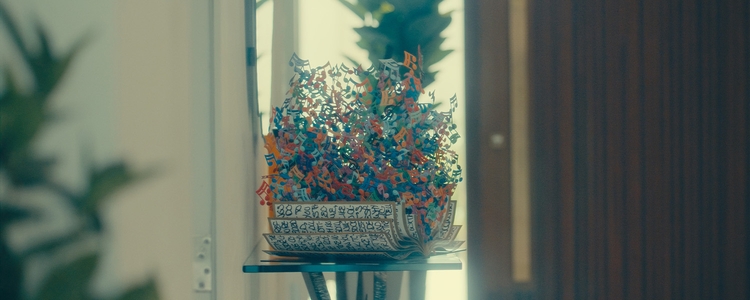
Updated: March 25, 2026What Is Drawing?
Drawing is one of the most commonly recognized forms of visual art. Drawings are created by an artist using instruments to create lines on paper or another two-dimensional surface.
EDEN
Updated: January 07, 2026Inside the Minds of EDEN Art Collectors
The Collectors Behind the Canvas offers an intimate look into the lives of EDEN collectors around the world. From Abu Dhabi to Dubai, discover how Dan and Nadia Feldman and Yann and Lana Biojau live surrounded by color, creativity, and meaning—revealing ...
Show more