
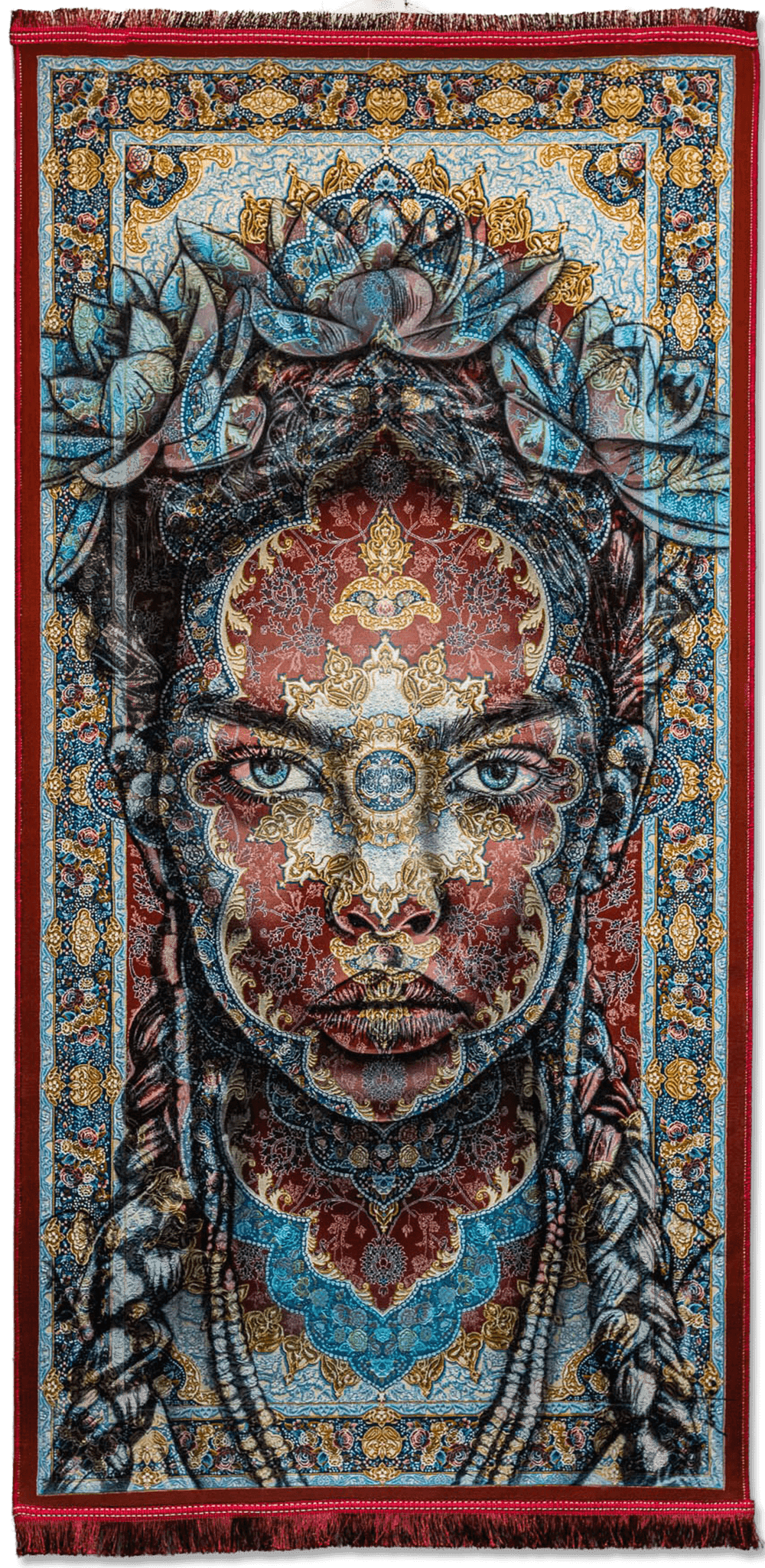
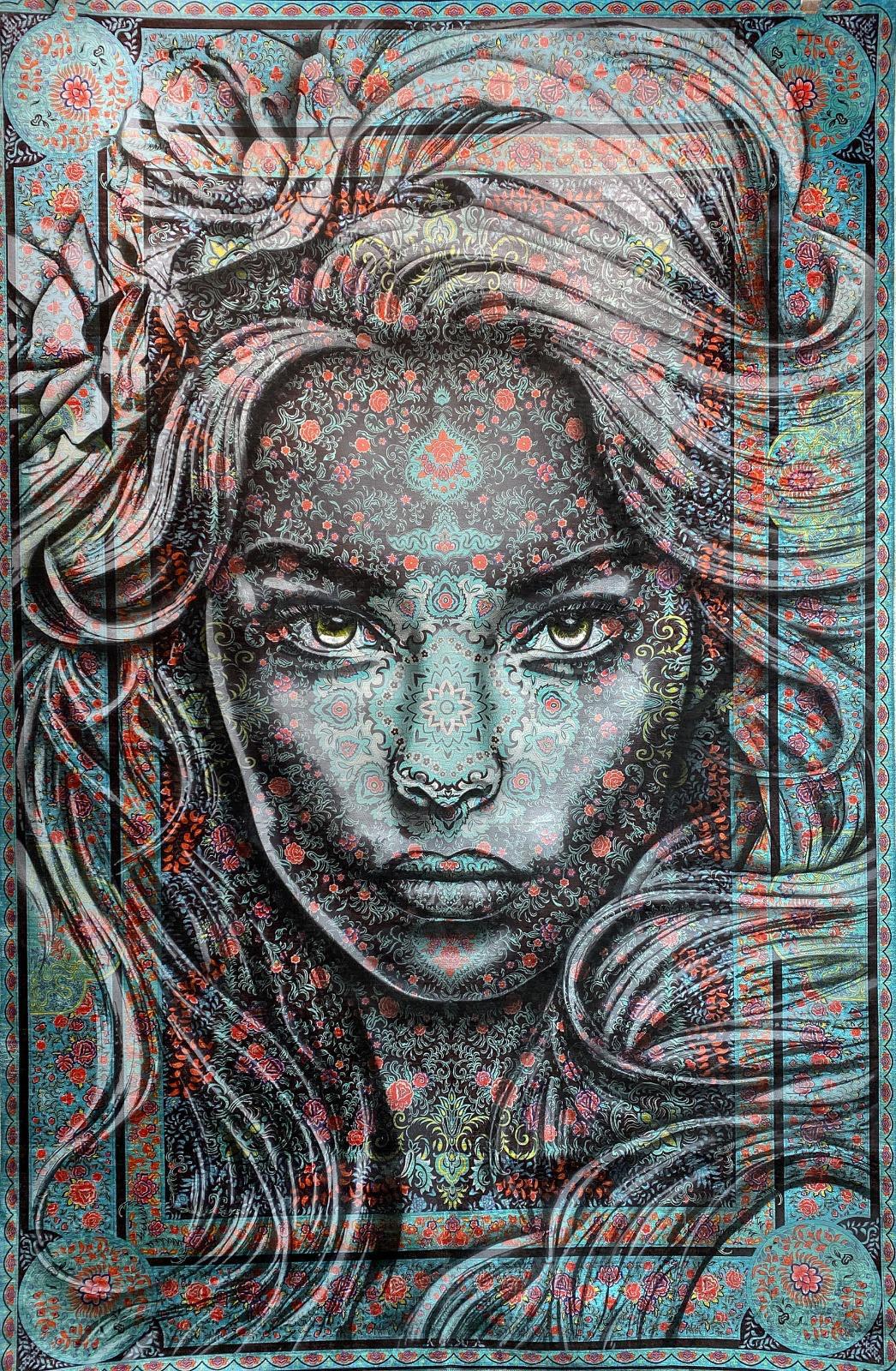
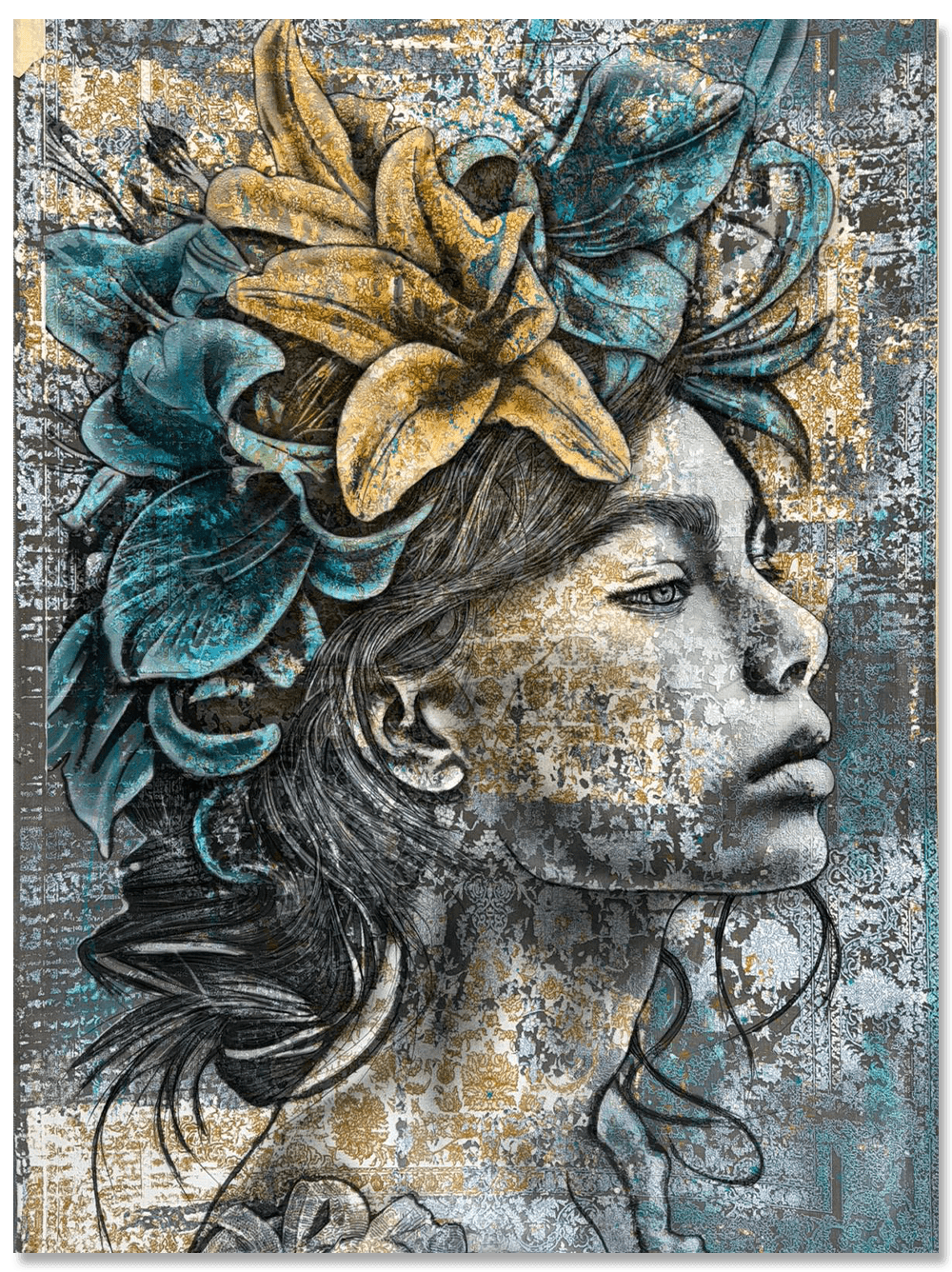
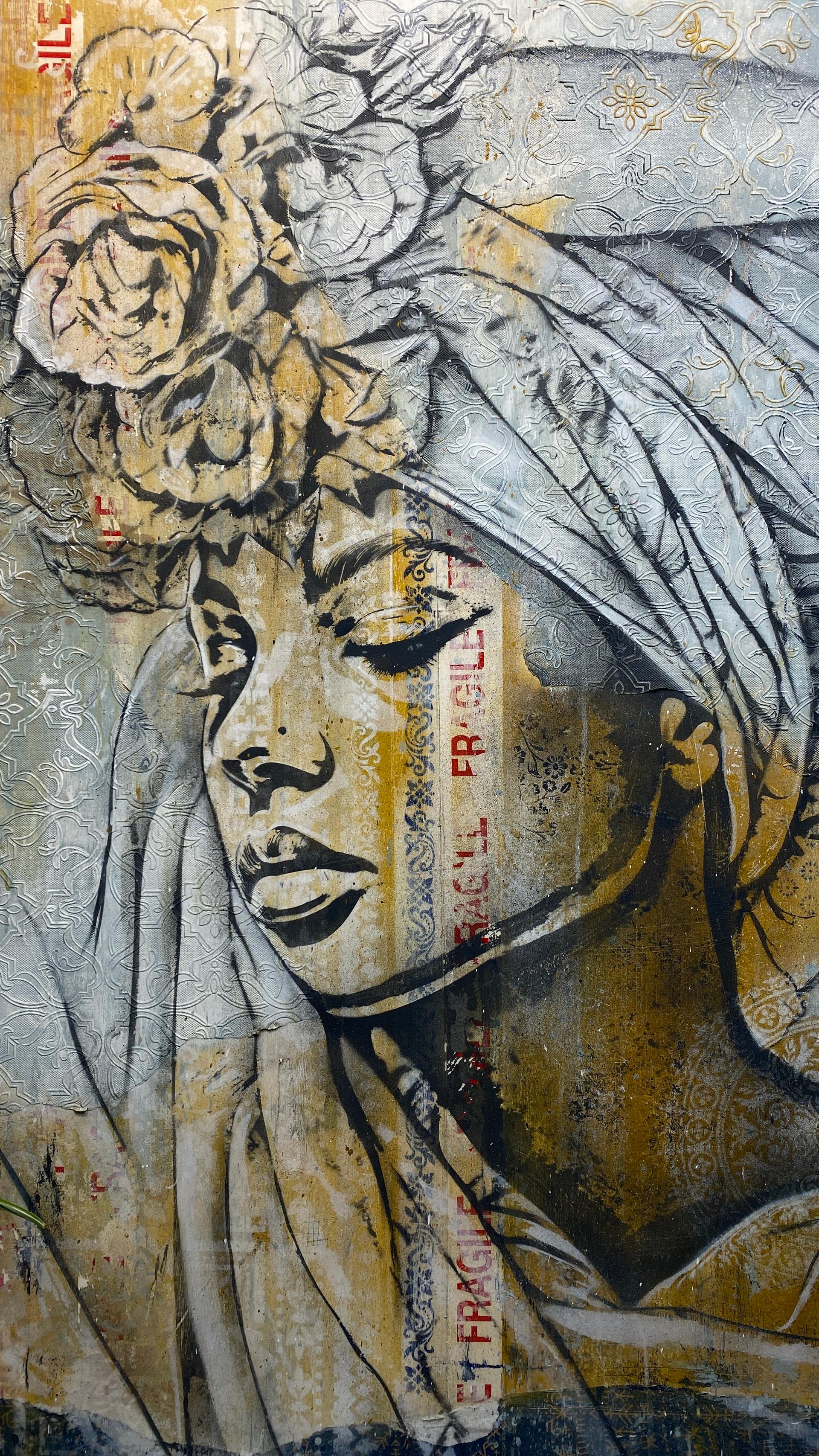
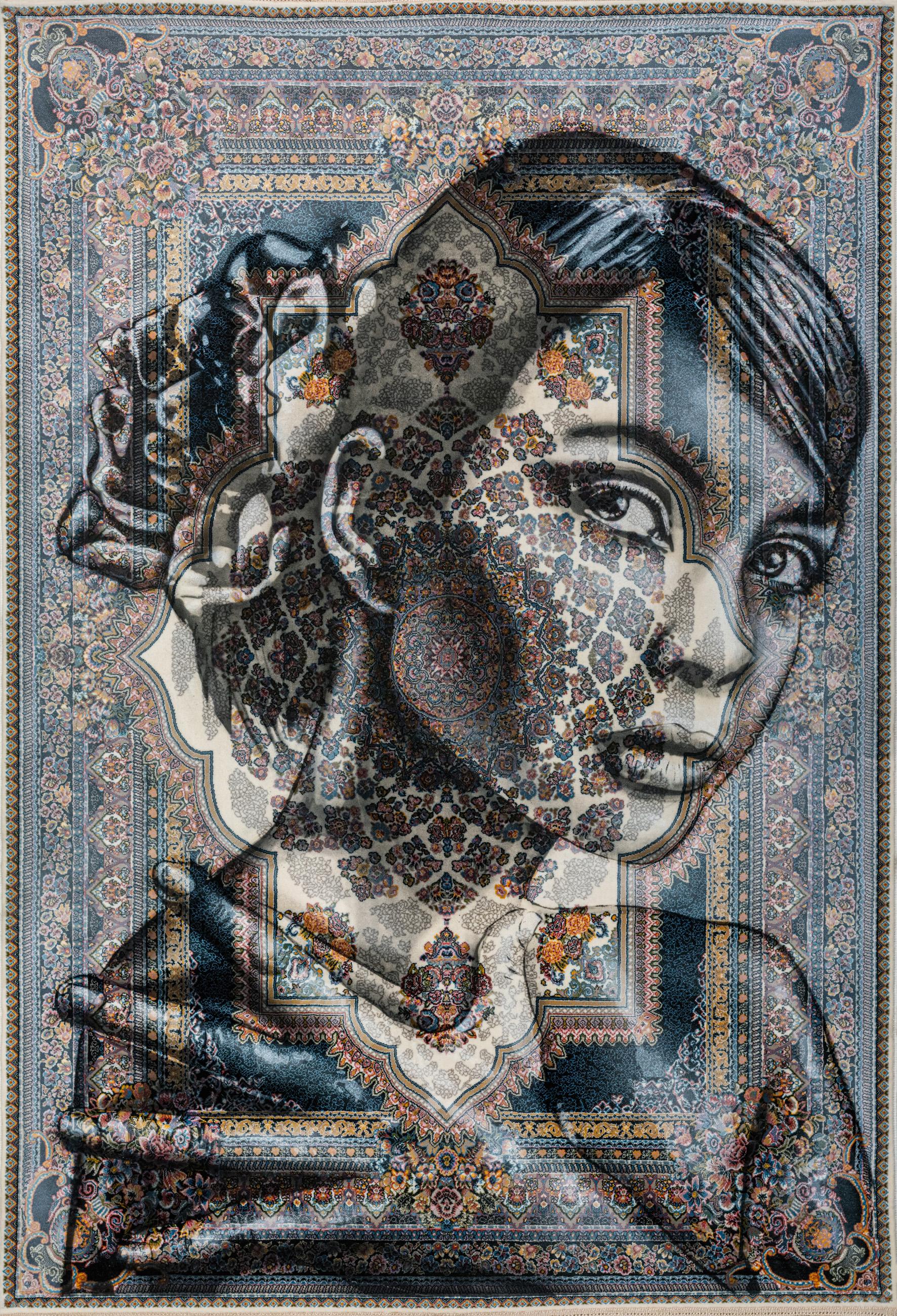
Mateo is a contemporary artist working at the intersection of urban expression and ancestral craft traditions. Born in France and based in Montreal, he is internationally recognized for his ornamental street language and his signature painted rugs, portraits layered with patterns drawn from cultures around the world. Through these works, Mateo explores identity, memory, and what he calls the “inner garden,” an intimate emotional landscape where ancestral symbols, floral motifs, and personal history emerge through the human form. Working across carpets, ceramics, fabrics, and walls, his work connects street culture with traditional craftsmanship. After more than two decades of global mural work, Mateo has established a distinctive visual language rooted in heritage and contemporary human experience.
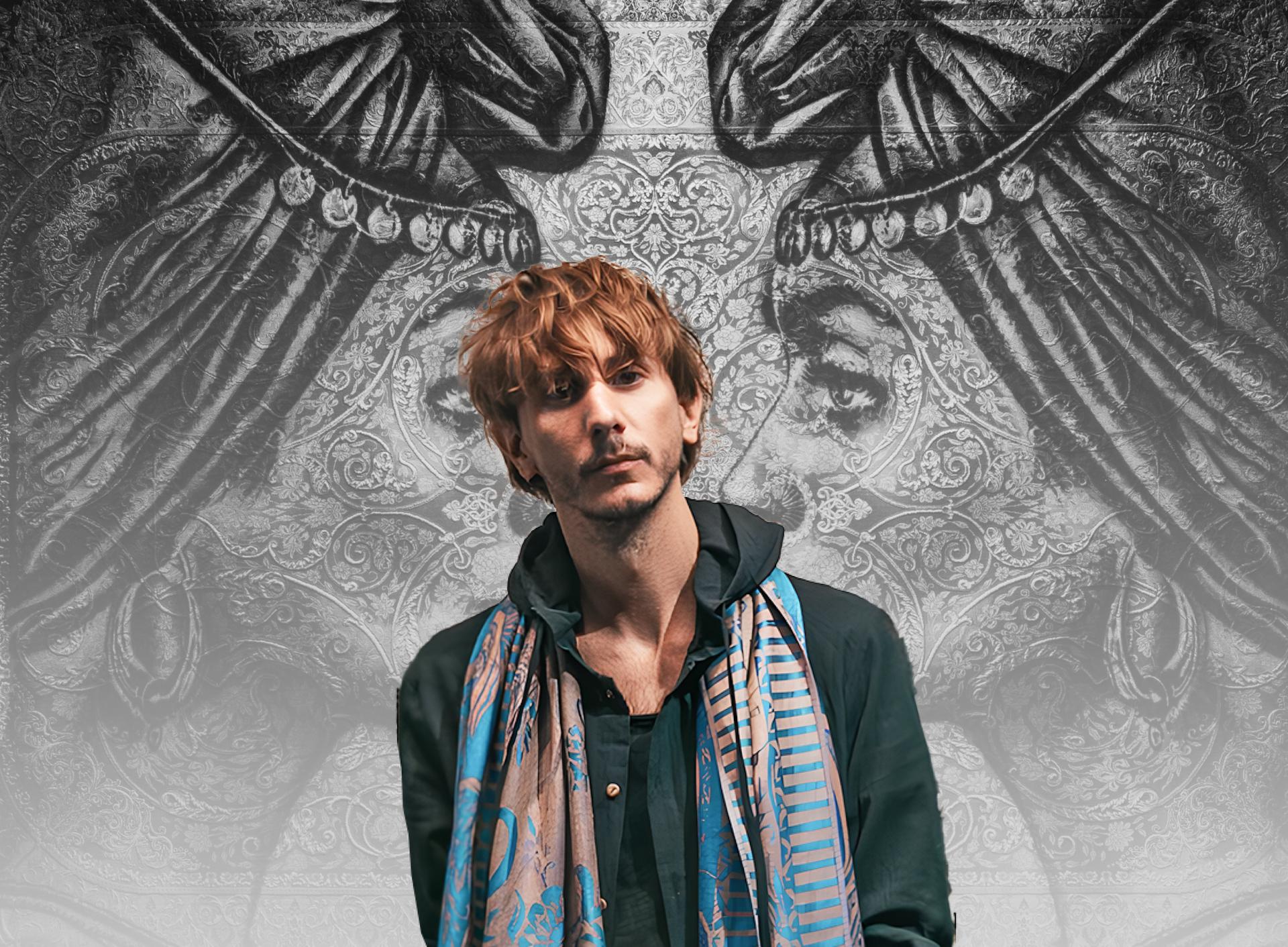
Mateo
Discover Artworks
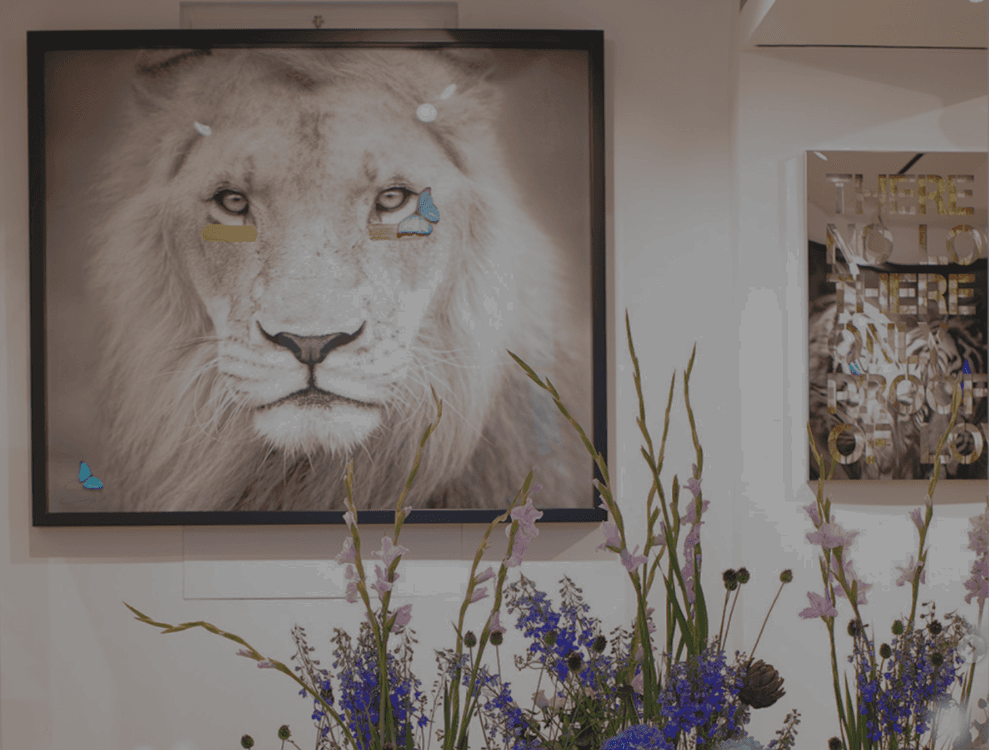
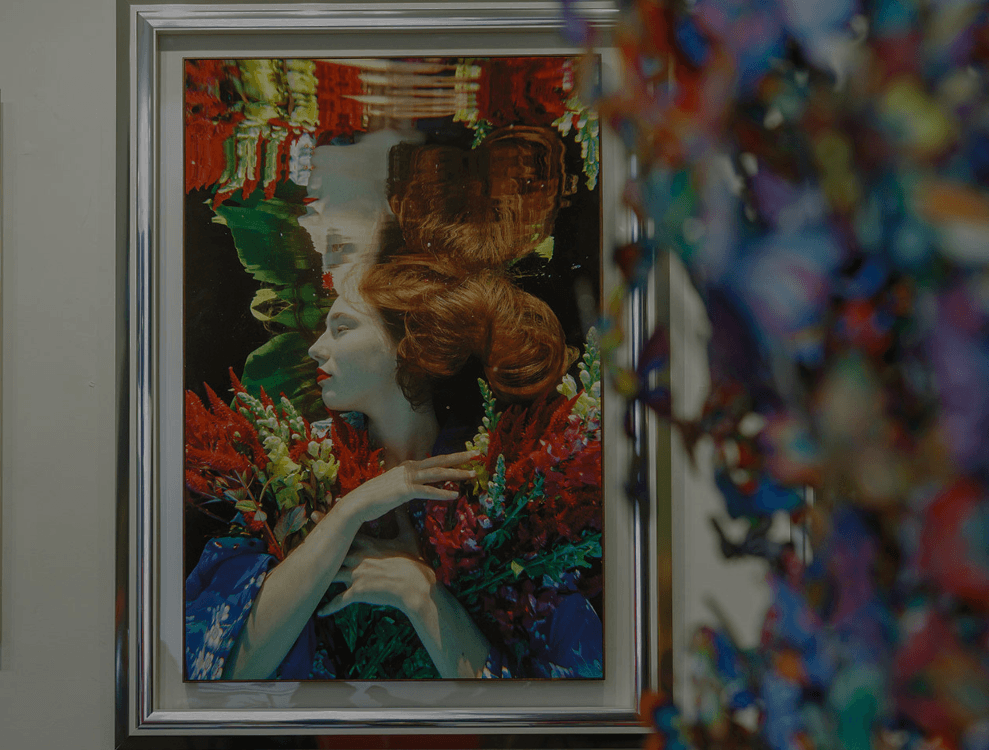
Born in France, Mateo is a contemporary artist based in Montreal whose work exists at the crossroads of street art, ornamentation, and cultural memory. After completing a Master’s degree in Fine Arts in Toulouse, Mateo expanded his career internationally through murals, residencies, and exhibitions across Europe, the Americas, and the Middle East. Today, Mateo exhibits internationally, with works held in major collections worldwide.
Over more than two decades, he has developed a distinctive artistic language that merges urban techniques with the visual heritage of ancient decorative traditions, most notably through his signature painted rugs featuring feminine portraits layered with ancestral patterns. His work also pays tribute to the women who have historically preserved textile traditions, positioning the rug as both a cultural archive and an emotional landscape.
At the core of Mateo’s artistic approach is the idea of the “inner garden,” a symbolic emotional landscape where organic motifs appear to grow from the subject’s skin, revealing identity, memory, and cultural inheritance. Drawing from traditional carpet structures, he often interprets the central medallion as a source of life and origin, organizing visual elements like an emotional cartography. His portraits seek to reveal internal narratives rather than surface representation, inviting viewers to reflect on their own cultural and emotional roots.
Born
1985
Nationality
French
Medium
Spray Paint, Persian Rug
Style / Movement
NYC, Miami, London, Dubai, Aspen, Las Vegas, Maldives, Saint Tropez
EDEN
Updated: October 01, 2026Perception Beyond the Senses - How we truly experience art, beauty, and the world around us. Written by Dame Evelyn Glennie CH
We often think of perception as something that happens automatically through the five senses. For Dame Evelyn Glennie CH, a double GRAMMY winner and BAFTA nominee, perception begins somewhere deeper: with attention, presence, and a willingness to ...
EDEN
Updated: September 15, 2026Diego Benéitez: Where Landscape Becomes Memory
Discover Diego Benéitez’s artistic world in an intimate conversation with EDEN, exploring his enduring connection to landscape, the role of light and memory in his work, and his desire to leave each painting open to personal interpretation.
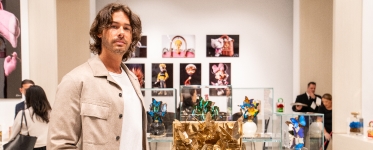
EDEN
Updated: August 20, 2026Roman Feral: Transforming the Ephemeral Into the Timeless
Discover Roman Feral’s artistic world in an intimate Q&A exploring his inspirations, creative process, relationship with collectors, and pursuit of transforming the ephemeral into the timeless.